

How Fillers Feel: Understanding the Sensations After Treatment
Dermal fillers have become a popular cosmetic solution for restoring facial volume, smoothing wrinkles, and enhancing features. While most people are familiar with the visual results, many wonder how fillers feel after injections. Understanding the sensations and expected recovery can help patients feel more comfortable and confident during their aesthetic journey.
Immediate Sensations After Filler Injections
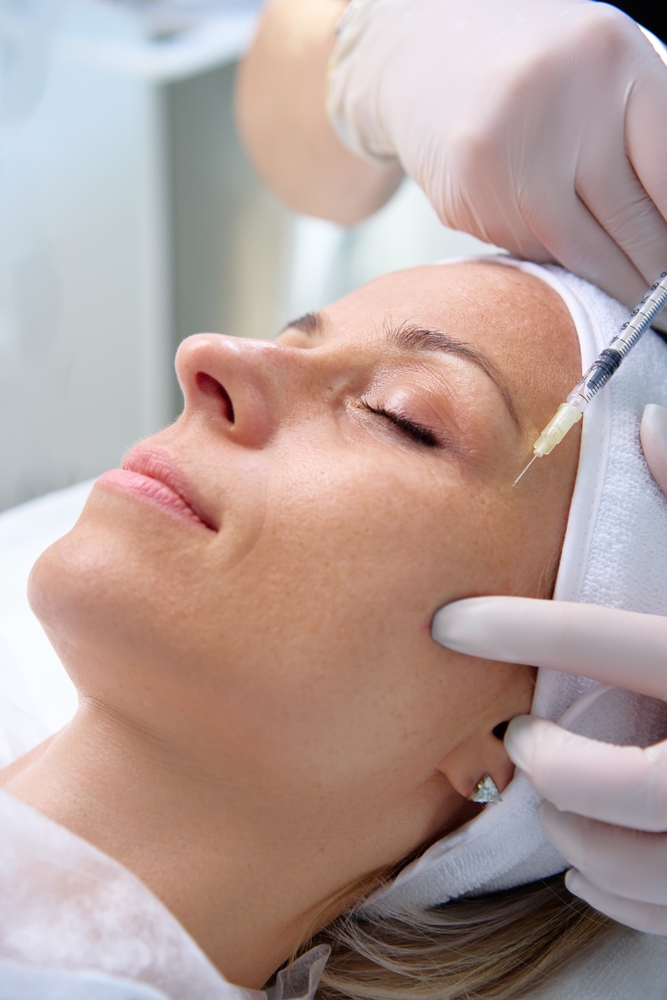
When fillers are injected into areas like lips, cheeks, or nasolabial folds, you may notice several sensations:
-
Mild Pressure or Tingling: Most patients feel slight pressure or tingling at the injection site as the filler is placed.
-
Temporary Swelling or Redness: Swelling is normal and usually resolves within a few hours to 2–3 days.
-
Firmness: The treated area may feel firmer than usual for a short period. This is due to the volume added by the filler.
These sensations are generally mild and subside quickly. If discomfort persists, consulting your aesthetic professional is advised.
Keywords used: how fillers feel, filler injections
How Fillers Feel in Different Areas
1. Lips
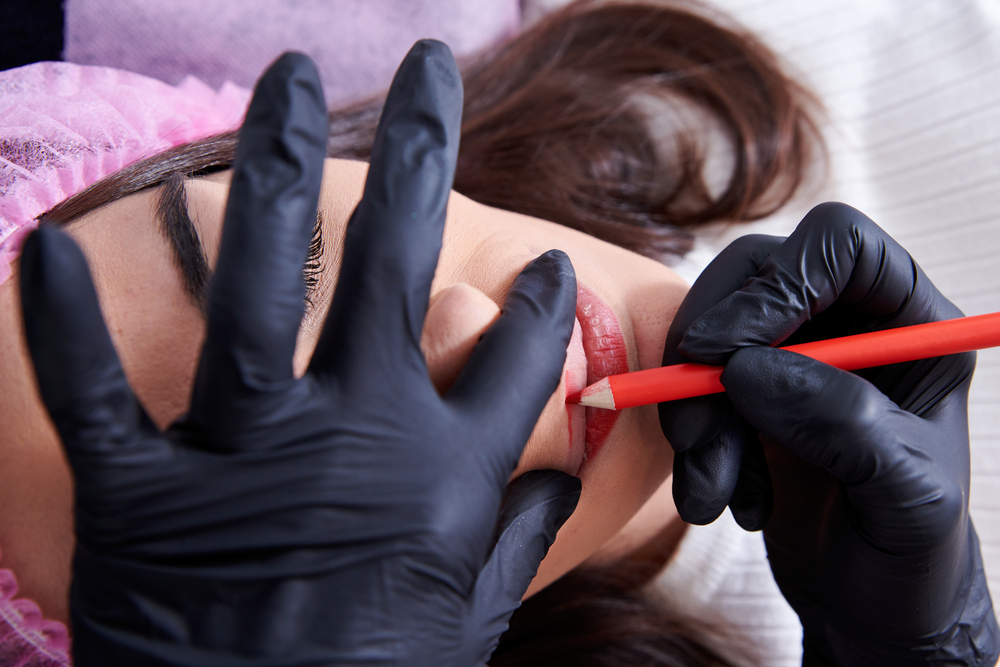
Lip fillers often feel slightly plump or firm initially. A tingling or tight sensation may occur, but it typically resolves within a few days. Patients should avoid pressing or massaging the lips immediately after treatment to maintain optimal results.
2. Cheeks
Cheek fillers can feel slightly elevated or firm due to the added volume. The area may feel sensitive to touch for 24–48 hours.
3. Nasolabial Folds and Under Eyes
Fillers in the nasolabial folds or under the eyes can feel smooth but may create a subtle fullness. Mild bruising or tenderness is common in these areas.
External reference for credibility: Dermal Filler Sensations – India
How Fillers Change Over Time
After the initial swelling and firmness subside, fillers settle naturally into the treated area. Many patients notice:
-
Softness: Fillers gradually soften and feel more natural within 1–2 weeks.
-
Mobility: Areas like lips retain their natural movement.
-
Smooth Contours: Fillers integrate with surrounding tissue for a seamless look.
Understanding these changes helps set realistic expectations and reduces anxiety about post-treatment sensations.
Factors Affecting How Fillers Feel
Several factors influence how fillers feel after treatment:
-
Type of Filler: Hyaluronic acid fillers are soft and more flexible, while calcium-based or PMMA fillers may feel firmer.
-
Injection Technique: Experienced practitioners ensure even distribution, minimizing lumps or unevenness.
-
Area Treated: Sensitive areas like lips or under eyes may feel more pronounced initially.
-
Post-Treatment Care: Ice packs, avoiding pressure, and following professional guidance reduce discomfort.
For personalized advice, visit our contact page to consult with certified aesthetic professionals.
Tips to Minimize Discomfort
-
Apply a cold compress to reduce swelling.
-
Avoid strenuous exercise or heavy facial movements for 24–48 hours.
-
Sleep with your head elevated to minimize puffiness.
-
Avoid touching or massaging the treated area unless instructed by your provider.
Conclusion
Understanding how fillers feel helps patients prepare for a comfortable and predictable experience. Mild pressure, firmness, or tingling is normal and temporary, while proper technique and post-care ensure natural, soft, and aesthetically pleasing results. With guidance from a licensed professional, fillers can enhance your features while feeling natural and smooth over time.

перейдите на этот сайт кракен доступ через тор