

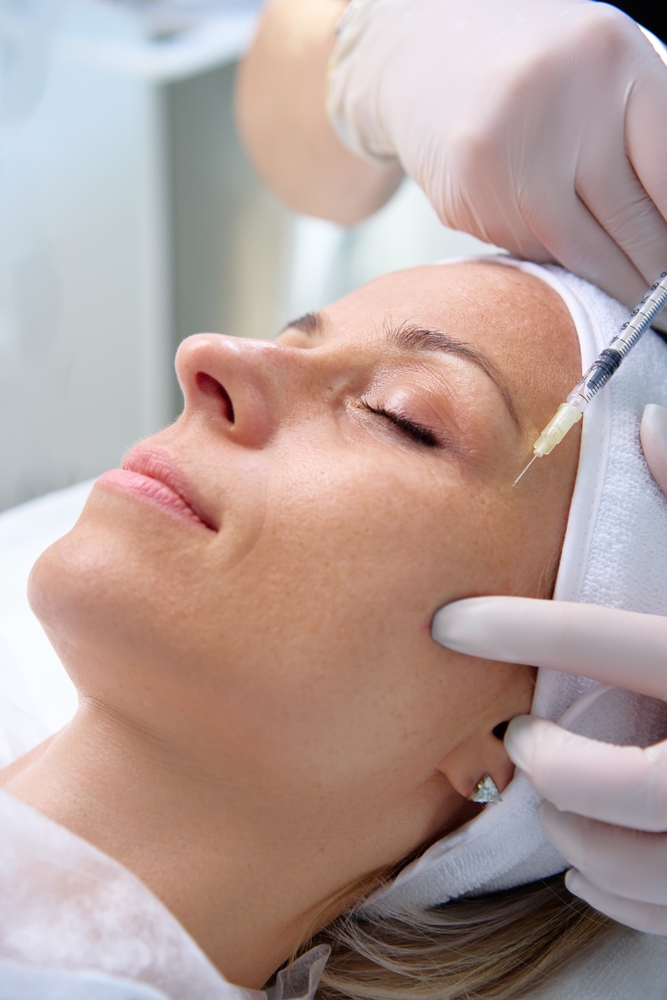
Why Is PRP Not Recommended?
Platelet-Rich Plasma (PRP) therapy has gained massive popularity for skin rejuvenation, hair restoration, and healing injuries. However, despite its benefits, PRP treatment is not recommended for everyone. Certain medical conditions, health risks, and safety concerns can make PRP therapy unsuitable or even harmful.
We’ll explore why PRP is not recommended in some cases, who should avoid it, and how to find a safe and effective alternative with expert guidance from Aesthetic Skins.
What Is PRP Treatment?
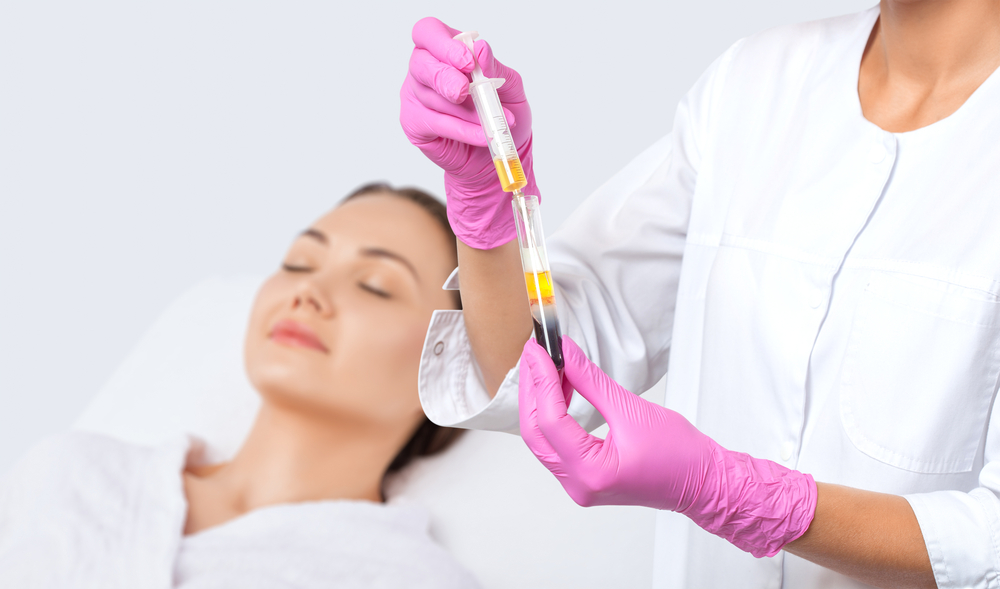
PRP, or Platelet-Rich Plasma therapy, involves drawing a small amount of your blood, processing it to extract plasma rich in growth factors, and injecting it back into targeted areas to stimulate regeneration.
It is widely used for:
-
Hair regrowth in cases of thinning or early hair loss
-
Skin rejuvenation for fine lines and dullness
-
Wound and tissue healing in orthopedics and aesthetics
While PRP offers promising results for many, there are situations where PRP treatment is not recommended due to safety or medical limitations.
Why PRP Is Not Recommended for Everyone
1. Certain Medical Conditions
PRP treatment is not suitable for people with:
-
Blood disorders such as anemia or clotting issues
-
Chronic illnesses like cancer or severe diabetes
-
Autoimmune diseases that affect healing
-
Infections in the treated area
These conditions can interfere with how PRP works and increase the risk of side effects. For example, in patients with diabetes, wound healing is slower, reducing the treatment’s effectiveness.
2. Pregnancy and Breastfeeding
Experts advise that PRP therapy is not recommended during pregnancy or while breastfeeding. Although PRP uses your own blood, there isn’t enough research to confirm its safety during these stages.
It’s best to wait until your hormones stabilize after childbirth before undergoing PRP for hair or skin.
3. Risk of Ineffectiveness
In some cases, PRP treatment may not deliver visible results. The therapy depends heavily on the quality of your platelets. If your platelet count is low or your plasma lacks sufficient growth factors, PRP may not be effective.
This is one reason why PRP is not recommended for individuals with poor overall health or low platelet levels.
4. Inconsistent Results
PRP is a natural, non-synthetic therapy, which means results vary from person to person. While some see dramatic improvements, others may notice little to no change.
If your expectations are for instant, dramatic transformation, doctors may suggest alternative treatments like laser therapy or microneedling, which often yield more predictable outcomes.
5. Temporary Side Effects and Discomfort
Although rare, PRP injections can cause:
-
Swelling or redness at the injection site
-
Mild pain or tenderness
-
Bruising or infection if not done hygienically
These risks make PRP not recommended in clinics without proper sterilization or trained professionals. Always choose a certified aesthetic clinic like Aesthetic Skins for safe and hygienic PRP procedures.
When PRP Treatment Should Be Avoided
PRP therapy should be avoided if you:
-
Are taking blood-thinning medications
-
Have liver disease or chronic infections
-
Suffer from severe anemia
-
Recently underwent major surgery
In such cases, your doctor might recommend delaying the procedure or opting for safer alternatives like laser skin rejuvenation or dermal fillers.
Safe Alternatives to PRP
If you’re not an ideal candidate for PRP, don’t worry — there are effective alternatives that deliver similar or better results, such as:
-
Laser treatments for skin rejuvenation
-
Chemical peels for pigmentation and glow
-
Microneedling with serums
-
Mesotherapy for hair regrowth
Each of these treatments can be customized at Aesthetic Skins based on your specific skin and hair concerns.
Expert Advice: Always Consult a Professional
Before undergoing PRP therapy, always consult a certified dermatologist or aesthetic specialist. They can analyze your medical history, conduct blood tests, and determine if PRP treatment is safe for you.
For expert consultation and customized treatment options, visit Aesthetic Skins. Their professionals ensure all procedures are performed safely and effectively, minimizing risks.
For more medical insights, you can refer to Apollo Hospitals’ dermatology care, one of India’s top healthcare providers.
Conclusion
So, why is PRP not recommended for everyone?
Because while it’s a powerful and natural treatment, its success depends on your overall health, platelet count, and underlying conditions. PRP therapy is not recommended for people with blood disorders, chronic illnesses, pregnancy, or those on certain medications.
Always seek professional guidance before deciding. At Aesthetic Skins, specialists provide safe, result-oriented alternatives to ensure your skin and hair rejuvenation journey is effective and risk-free.


Backbiome is an advanced daily wellness supplement formulated to help support spinal comfort, reduce feelings of built-up tension, and promote freer, smoother movement throughout backbiome everyday life.