

Why Fillers Are Temporary: Understanding Longevity and Results
Dermal fillers are among the most sought-after cosmetic treatments, offering quick results without surgery. They are commonly used to smooth wrinkles, restore lost volume, and enhance facial features. But many patients wonder, why fillers are temporary? The answer lies in how fillers interact with the body, the materials they are made from, and how our natural processes eventually break them down.
Why Fillers Are Temporary in Nature
Unlike surgical enhancements, dermal fillers are designed to provide results that fade over time. This is often considered a benefit, as it allows patients to adjust their look gradually and make changes as needed. Here’s a breakdown of why fillers are temporary:
1. Natural Metabolism of the Body
The body naturally absorbs fillers over time. Hyaluronic acid, the most common filler ingredient, is a substance already found in our skin. The body gradually metabolizes it, which explains why fillers are temporary.
2. Type of Filler Material
Different fillers have different lifespans.
- Hyaluronic acid fillers: 6–18 months
- Calcium hydroxylapatite: 12–24 months
- Poly-L-lactic acid: Up to 2 years
These differences play a major role in why fillers are temporary and why some last longer than others.
3. Placement and Injection Area
Areas with high muscle movement, like the lips or around the mouth, cause fillers to dissolve faster. In contrast, fillers in the cheeks or jawline may last longer. This factor explains why fillers are temporary in high-motion areas.
4. Lifestyle and Habits
Sun exposure, smoking, and an active metabolism can accelerate filler breakdown. Patients who exercise heavily may also notice quicker fading of results.
5. Controlled Aesthetic Adjustments
Another reason why fillers are temporary is safety. By fading naturally, they give patients flexibility to update their look without permanent changes.
How Long Do Fillers Last?
The duration of filler results varies depending on multiple factors. On average:
- Lips: 6–9 months
- Cheeks: 12–18 months
- Jawline/Chin: 12–24 months
- Under-eyes: 9–12 months
These timelines provide realistic expectations and highlight why fillers are temporary.
Benefits of Temporary Fillers
Although some patients wish fillers were permanent, their temporary nature offers unique advantages:
- Allows adjustments as facial features change with age
- Reduces the risk of long-term complications
- Provides flexibility to try different looks
- Safer than permanent implants or irreversible procedures
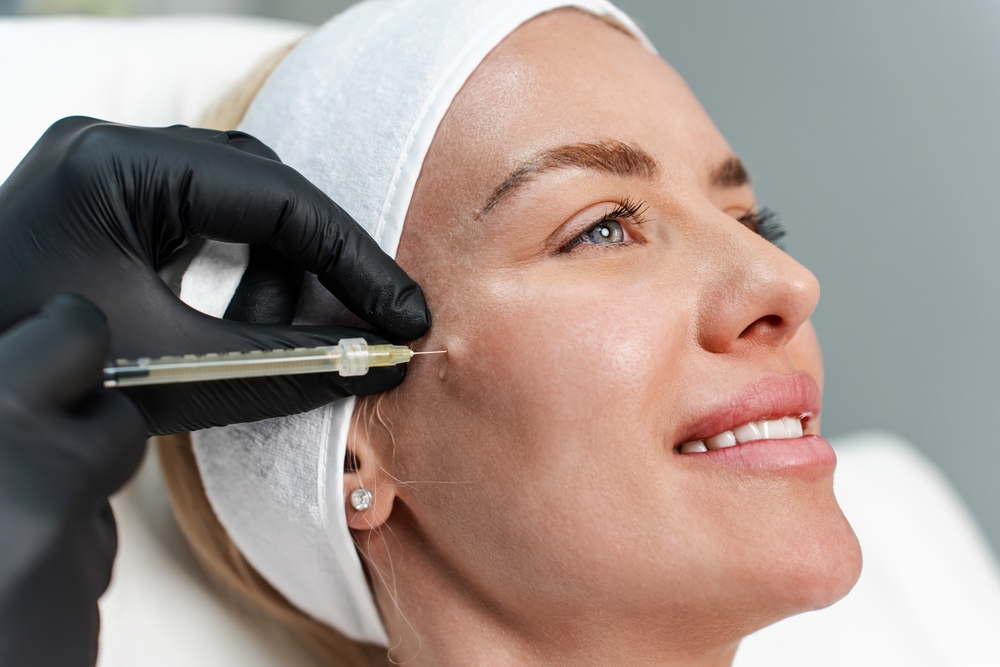
Can Fillers Be Made to Last Longer?
While it’s not possible to make fillers permanent, several steps can help prolong their results:
Choose a Skilled Practitioner
Precise injection techniques improve filler longevity. At Aesthetic Skins, our experts focus on accuracy and safety for lasting outcomes. Book your consultation today.
Follow Aftercare Instructions
Avoiding heat exposure, excessive pressure, or facial massages right after treatment helps fillers settle properly.
Maintain a Healthy Lifestyle
Good hydration, balanced nutrition, and sun protection can slow down filler breakdown.
Schedule Maintenance Sessions
Regular touch-ups ensure smoother transitions and consistent results over time.
Why Permanent Fillers Are Risky
Some patients look for permanent solutions, but permanent fillers often come with higher risks such as migration, infection, or long-term side effects. This is another reason why fillers are temporary by design—safety and flexibility outweigh permanence.
Conclusion
Understanding why fillers are temporary helps set realistic expectations and highlights the safety benefits of non-permanent cosmetic treatments. Their ability to fade naturally ensures adaptability, lower risks, and opportunities for customized enhancements over time.
For safe and long-lasting filler treatments, trust Aesthetic Skins. Contact our experts here and begin your journey toward youthful, natural beauty today.
External Reference : Learn more about filler safety from the Indian Association of Dermatologists.