
Introduction
Laser treatments are popular solutions for hair removal, pigmentation, acne scars, and anti-aging. They are safe and effective when performed by professionals, but they’re not suitable for everyone at all times. Knowing when to avoid laser treatment is crucial to protect your skin and overall health.
We’ll discuss conditions, situations, and precautions where it’s better to postpone or skip laser procedures.
What Is Laser Treatment?
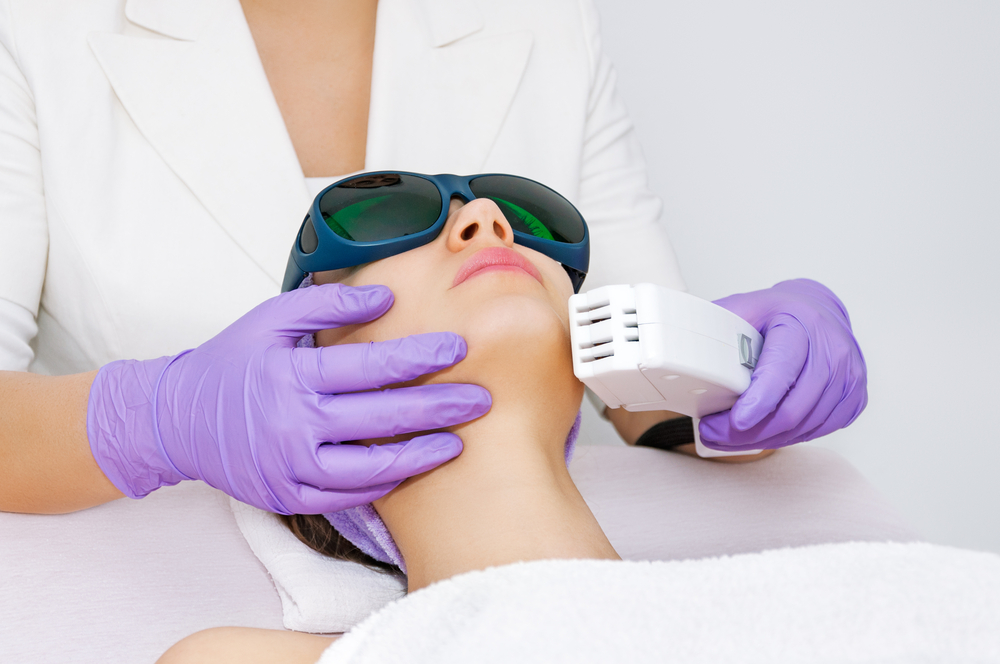
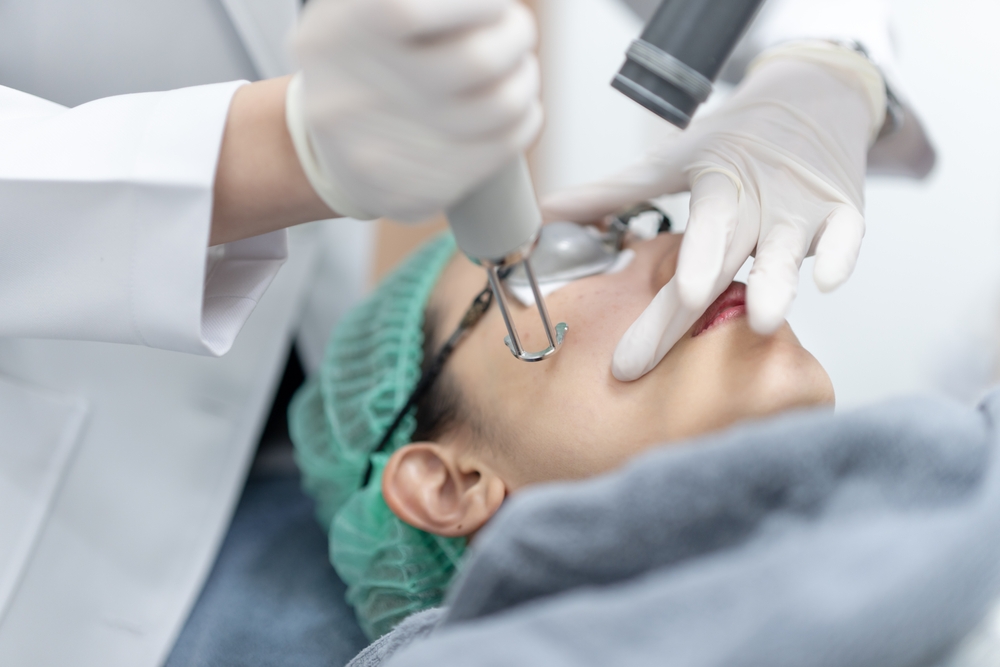
Laser treatment uses concentrated beams of light to target specific skin concerns. It works by removing damaged layers of skin, stimulating collagen production, or destroying hair follicles.
While highly effective, it requires careful consideration, as not all skin conditions or medical situations are compatible with laser procedures.
When to Avoid Laser Treatment
Here are the most common scenarios where you should avoid or delay undergoing laser treatment:
1. During Pregnancy and Breastfeeding
Pregnant and breastfeeding women should avoid laser procedures. Hormonal changes make the skin more sensitive, increasing the risk of pigmentation and irritation.
2. If You Have Active Skin Infections
Conditions like eczema, psoriasis, acne flare-ups, or fungal infections make skin more vulnerable. Performing laser treatment on compromised skin can worsen the problem.
3. After Recent Tanning or Sunburn
Skin that has been exposed to sunlight or tanning beds is highly sensitive. Laser on sunburned or tanned skin increases the risk of burns, hyperpigmentation, or scarring.
4. While on Certain Medications
If you’re taking antibiotics, blood thinners, or photosensitive medications, you must delay laser treatment. These drugs can make the skin react abnormally to laser light.
5. With Certain Medical Conditions
People with uncontrolled diabetes, clotting disorders, or a history of keloid scarring should avoid laser procedures unless cleared by a doctor.
6. Immediately After Cosmetic Treatments
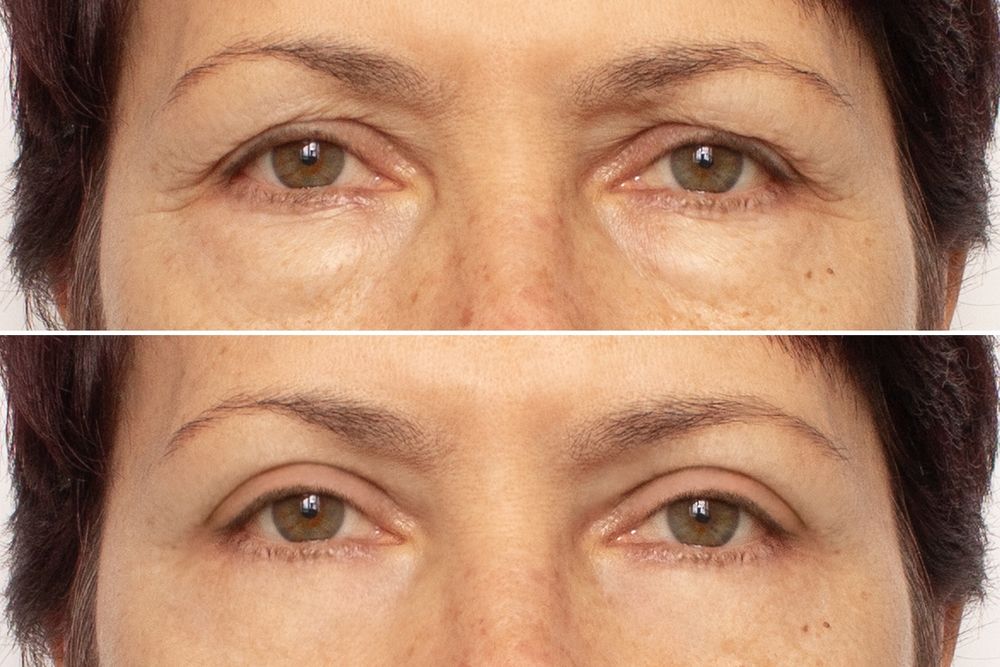
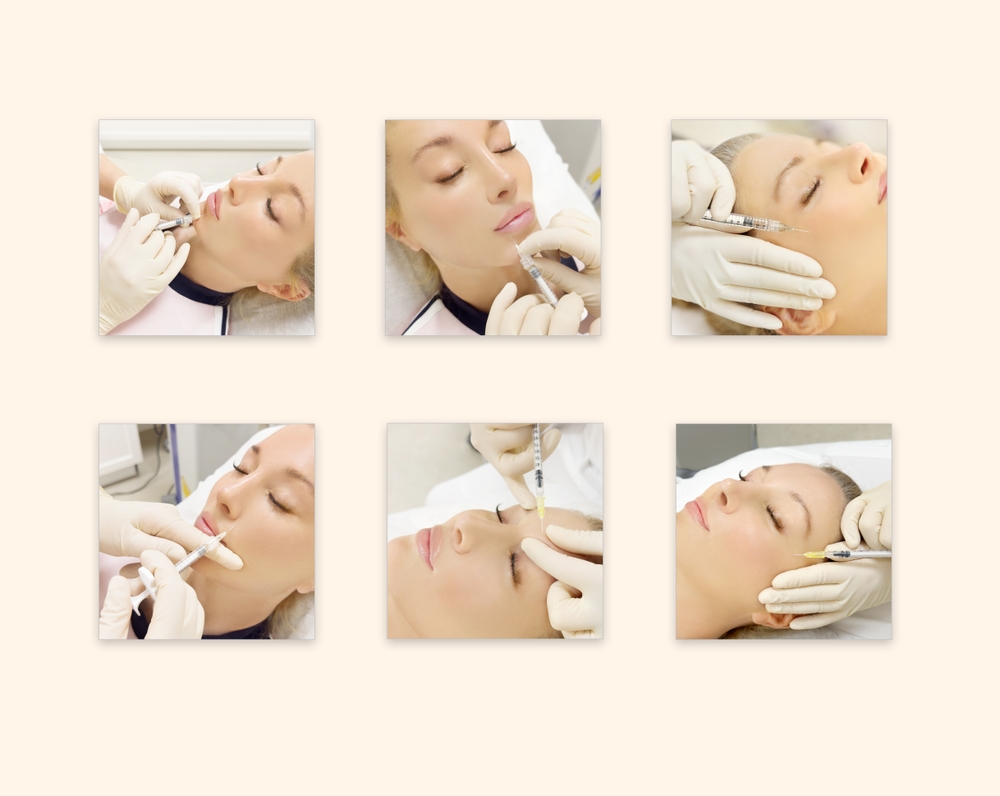
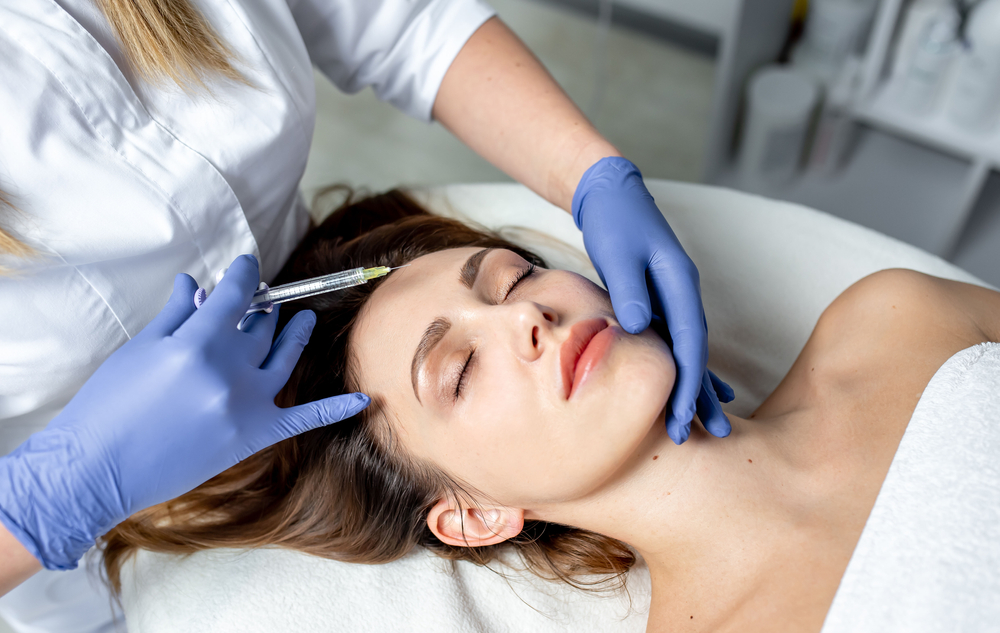
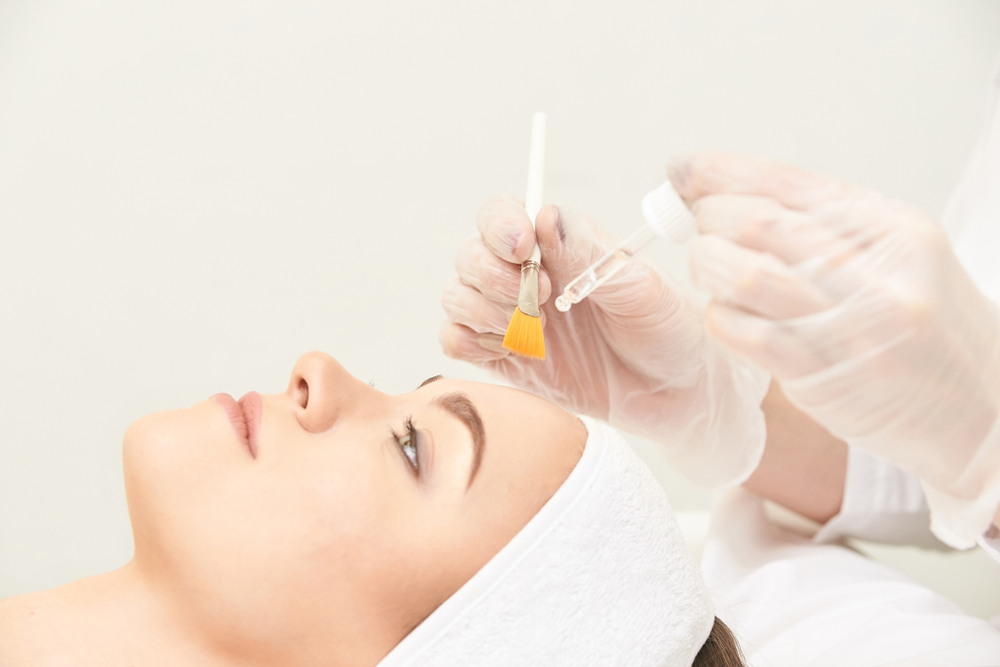
If you’ve recently had chemical peels, dermal fillers, or Botox, wait before scheduling laser treatment, as skin may still be healing.
Why It’s Important to Avoid Laser at the Wrong Time
Attempting laser sessions when the skin or body is not ready can lead to:
-
Burns or blisters
-
Prolonged redness and swelling
-
Hyperpigmentation or dark spots
-
Scarring or delayed healing
That’s why knowing when to avoid laser treatment is just as important as knowing when to go ahead with it.
Precautions Before Considering Laser Treatment
If you’re planning a session, keep these precautions in mind:
-
Always consult a certified dermatologist.
-
Share your medical history and current medications.
-
Avoid direct sunlight for at least 2 weeks before treatment.
-
Do a patch test to check skin sensitivity.
Alternatives When You Should Avoid Laser Treatment
If you fall into a category where laser treatment is not recommended, consider alternatives:
-
For Hair Removal: Shaving, threading, or waxing (temporary).
-
For Skin Rejuvenation: Chemical peels or microdermabrasion.
-
For Pigmentation: Topical creams with dermatologist guidance.
These may not be as long-lasting but are safer until you’re ready for laser.
Book a Safe Consultation
Not sure if you’re the right candidate? Our experts will guide you through safe options and advise whether laser treatment is suitable.
Book your consultation today for personalized advice on safe skin care treatments.
External Resource
For detailed safety guidelines, visit the AIIMS Dermatology Department.
Conclusion
Laser technology is powerful, but it isn’t suitable for everyone at all times. Conditions like pregnancy, active infections, sunburn, or ongoing medication are clear signals of when to avoid laser treatment.
By consulting professionals, following safety guidelines, and waiting for the right time, you can ensure your skin stays protected and still benefit from the procedure later.
Knowing when to avoid laser treatment will save you from complications and help you achieve better, safer results in the future.