

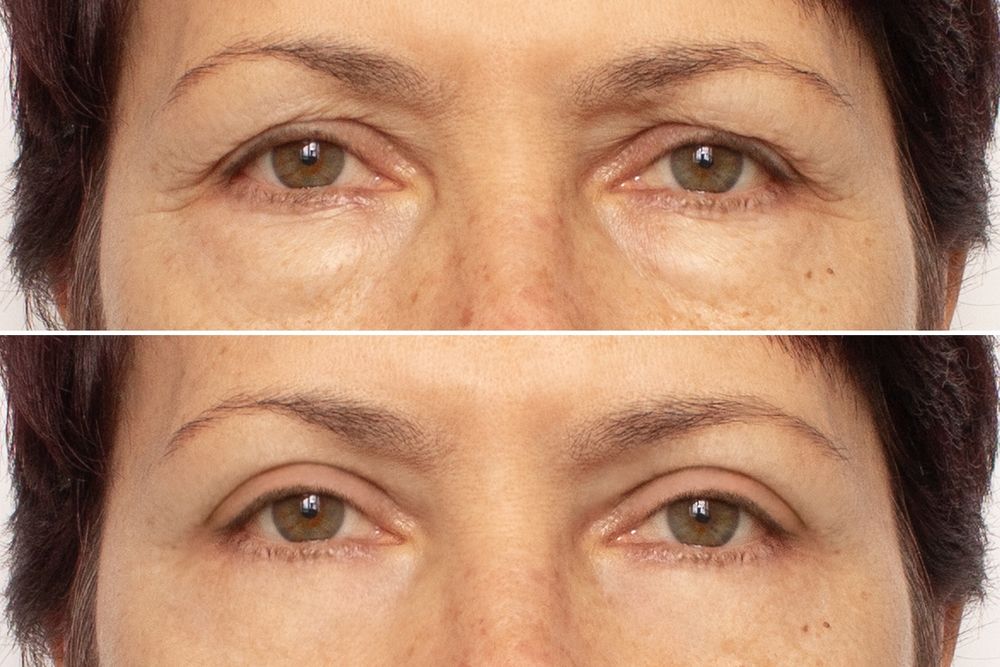
When Fillers Swell: Understanding the Causes and Solutions
Dermal fillers are widely used to restore facial volume, smooth wrinkles, and enhance features. However, sometimes patients notice swelling after treatment. Knowing when fillers swell and how to manage it is important for safe and satisfying results.
Why Do Fillers Swell?
Swelling after filler injections is common and usually temporary. Common reasons fillers swell include:
-
Normal inflammatory response: The body reacts to injections, causing mild swelling or puffiness.
-
Overcorrection: Injecting too much filler in one session can increase swelling.
-
Injection technique: Incorrect placement or depth may trigger localized swelling.
-
Allergic reactions: Rarely, some patients may have mild reactions to filler ingredients.
-
Hydration and lifestyle factors: Alcohol, high salt intake, or lack of sleep can worsen swelling.
Typically, swelling is mild and resolves within a few days to a week.
Symptoms to Watch For
Knowing the signs of abnormal swelling can help you take action early. Indicators fillers swell excessively include:
-
Persistent or severe swelling beyond one week
-
Redness, warmth, or pain around the treated area
-
Lumps or uneven texture
-
Skin discoloration
If you experience any of these symptoms, consult your dermatologist promptly. You can contact us for professional guidance.

How to Reduce Swelling After Fillers
Proper aftercare is key when fillers swell. Here are effective ways to minimize swelling:
-
Cold compress: Apply ice packs gently to reduce puffiness.
-
Avoid pressure: Refrain from massaging or pressing the treated area unless advised.
-
Stay hydrated: Drinking water helps your body reduce inflammation.
-
Limit alcohol and salty foods: These can exacerbate swelling.
-
Follow professional advice: Your dermatologist may recommend medication or treatment for persistent swelling.
Most mild swelling resolves naturally within a few days.
When to Seek Medical Help
While mild swelling is normal, fillers swelling excessively may indicate complications:
-
Severe pain or discoloration
-
Swelling that does not improve after a week
-
Signs of infection
Prompt intervention can prevent long-term issues. Treatments may include hyaluronidase injections for dissolving hyaluronic acid fillers or other corrective measures.
Final Thoughts
Understanding when fillers swell helps patients feel prepared and ensures the best results. Swelling is usually temporary, but knowing proper aftercare and recognizing abnormal symptoms is crucial for safety and satisfaction.
For professional advice on filler treatments and management in India, visit Indian Aesthetic Experts.

Backbiome is an advanced daily wellness supplement formulated to help support spinal comfort, reduce feelings of built-up tension, and promote freer, smoother movement throughout backbiome everyday life.
DreamProxies.com – 100 the actual best private proxies by means of significant reductions + Ultra swiftly proxy serrvers!
I am not really fantastic with English but I get hold this really leisurely to understand.