


When Fillers Go Wrong: Understanding the Risks and Solutions
Dermal fillers are a popular cosmetic solution for enhancing facial features, reducing wrinkles, and restoring youthful volume. While most procedures are safe, sometimes fillers go wrong, causing discomfort, asymmetry, or other complications. Understanding why this happens and how to manage it is essential for anyone considering cosmetic treatments.
Why Fillers Go Wrong
Even in experienced hands, fillers can go wrong due to several factors:
-
Poor technique: Incorrect injection depth or placement can lead to lumps, unevenness, or migration of filler.
-
Wrong type of filler: Using a filler not suited for a specific area, like lips vs. cheeks, increases the risk of undesirable results.
-
Allergic reactions: Though rare, some patients may develop reactions to filler ingredients.
-
Infection: Any procedure that punctures the skin carries a risk of infection if not done in a sterile environment.
-
Underlying health conditions: Certain medical conditions or medications may affect filler results or healing.
These issues emphasize the importance of consulting qualified professionals and avoiding unlicensed injectors.
Common Signs That Fillers Have Gone Wrong
Recognizing problems early can prevent complications from worsening. Signs fillers have gone wrong include:
-
Swelling or redness that persists beyond a few days
-
Pain or tenderness in the treated area
-
Lumps or uneven texture
-
Asymmetry in facial features
-
Skin discoloration or bruising that does not fade
If you notice any of these symptoms, it is crucial to seek professional advice immediately. You can contact us for expert guidance on corrective treatments.
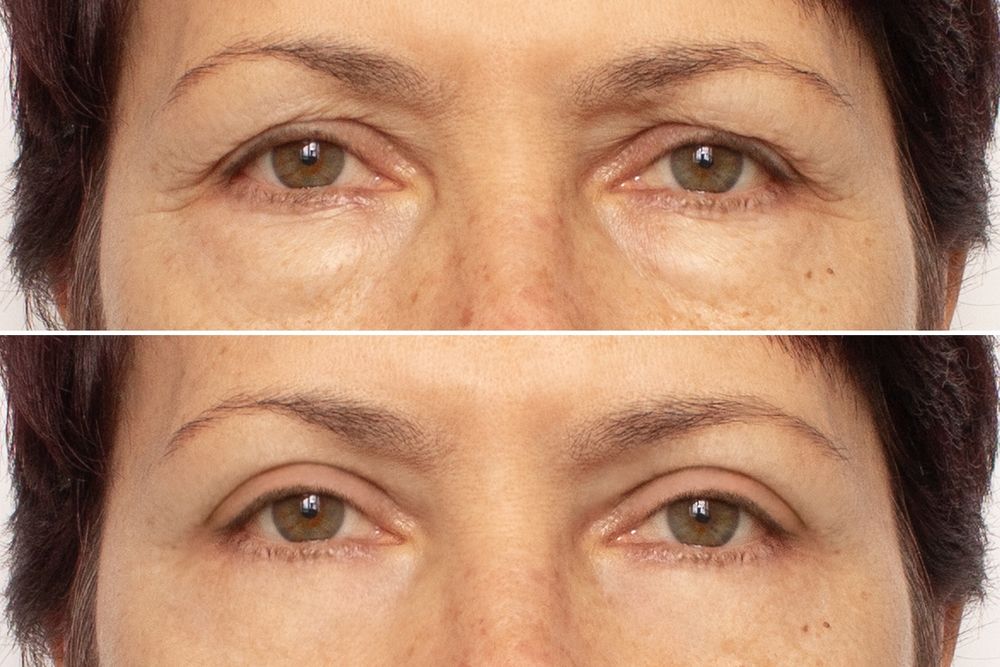
How to Fix Fillers That Go Wrong
Corrective measures depend on the type of filler used and the severity of the issue. Common solutions include:
-
Hyaluronidase injections: This enzyme can dissolve hyaluronic acid fillers safely.
-
Massage or adjustment: Minor lumps or unevenness can sometimes be corrected by professional massage techniques.
-
Laser treatments: Used to treat skin discoloration or minor texture issues.
-
Surgical correction: In rare cases, surgery may be required to remove problematic filler.
It’s important to address issues promptly. Delaying treatment may increase the risk of long-term complications.
Preventing Filler Complications
Prevention is always better than cure. Here’s how to avoid situations where fillers go wrong:
-
Choose certified professionals: Always consult board-certified dermatologists or cosmetic surgeons.
-
Discuss medical history: Inform your provider about allergies, medications, and health conditions.
-
Know your filler: Understand which type of filler is best for your needs.
-
Follow post-care instructions: Proper aftercare can reduce swelling, bruising, and infection risks.
For more tips on safe filler treatments and consultations, you can contact us.
Final Thoughts
While cosmetic fillers can provide impressive results, there is always a risk that fillers go wrong. Awareness, consultation with experienced professionals, and timely corrective actions are key to maintaining safety and achieving the desired appearance. Remember, a successful filler procedure combines skill, knowledge, and careful aftercare.
For more expert insights on cosmetic treatments in India, visit Aesthetic Dermatology India.

Backbiome is an advanced daily wellness supplement formulated to help support spinal comfort, reduce feelings of built-up tension, and promote freer, smoother movement throughout backbiome everyday life.