
Introduction
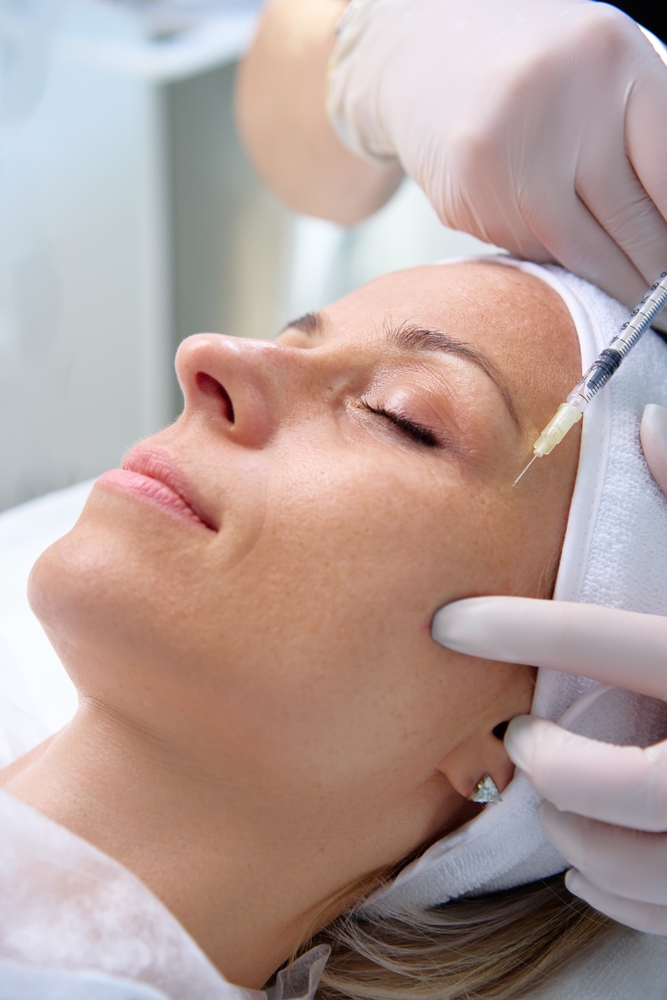
Dermal fillers are among the most popular non-surgical cosmetic treatments, but many patients wonder: what fillers are safe? Safety depends on the type of filler used, the brand, and most importantly—the expertise of the injector.
At Aesthetic Skins, we use only clinically tested, FDA-approved fillers to ensure natural, long-lasting, and safe results.
What Makes a Filler Safe?
For a filler to be considered safe, it must:
-
Be FDA-approved or CE-marked for cosmetic use.
-
Contain biocompatible materials (naturally accepted by the body).
-
Be administered by a qualified medical professional.
Unsafe fillers are often low-quality, unregulated products or administered by untrained injectors, which can lead to severe side effects.
Safe Types of Dermal Fillers
Here are the most widely recognized safe fillers:
1. Hyaluronic Acid (HA) Fillers
-
Brands: Juvederm, Restylane, Belotero
-
Why safe? Hyaluronic acid is naturally found in the skin, making allergic reactions rare. It is also reversible with hyaluronidase.
-
Best for: Lips, cheeks, under-eyes, fine lines.
2. Calcium Hydroxylapatite (CaHA) Fillers
-
Brand: Radiesse
-
Why safe? Composed of minerals naturally found in bones, offering both volume and collagen stimulation.
-
Best for: Deeper wrinkles, jawline, and hands.
3. Poly-L-Lactic Acid (PLLA) Fillers
-
Brand: Sculptra
-
Why safe? Biodegradable material that stimulates collagen production for gradual, natural results.
-
Best for: Facial volume loss and hollow areas.
4. Polymethyl Methacrylate (PMMA) Fillers
-
Brand: Bellafill
-
Why safe? Semi-permanent filler approved for deep wrinkles and acne scars.
-
Best for: Long-term correction of nasolabial folds and scars.
Fillers to Avoid
-
Non-FDA approved fillers bought online or through unlicensed providers.
-
Silicone injections – unsafe and linked to long-term complications.
-
Unknown “permanent fillers” with no safety testing.
Are Fillers Safe for Everyone?
Most patients tolerate fillers well, but they may not be suitable for:
-
Pregnant or breastfeeding women
-
People with active skin infections
-
Patients with severe allergies or bleeding disorders
Always discuss your medical history with your injector before treatment.
Safety Tips for Fillers
-
Choose a licensed clinic with trained injectors.
-
Ask for FDA-approved brands.
-
Avoid bargain fillers or “at-home” injections.
-
Follow post-treatment care instructions carefully.
Why Choose Aesthetic Skins for Safe Fillers?
At Aesthetic Skins, your safety is our top priority. We only use globally recognized filler brands and tailor each treatment to your unique needs. Our skilled experts ensure natural, balanced results with minimal risk.
Book your consultation today to explore safe dermal filler options with us.
Conclusion
So, what fillers are safe? The safest options include hyaluronic acid, calcium hydroxylapatite, poly-L-lactic acid, and PMMA fillers—all FDA-approved and widely studied. With the right clinic and injector, fillers are one of the safest, most effective ways to restore youthful volume and enhance natural beauty.
Reference: FDA Dermal Fillers Information