Introduction
Acne is one of the most common skin concerns, affecting teenagers and adults alike. While topical creams and medications can help, they often provide limited results. Laser acne treatment is a modern, effective solution that targets both active acne and acne scars, offering long-lasting improvements in skin texture and appearance.
Explains how laser acne treatment works, its benefits, precautions, and why it’s a preferred choice over traditional acne remedies.
What Is Laser Acne Treatment?
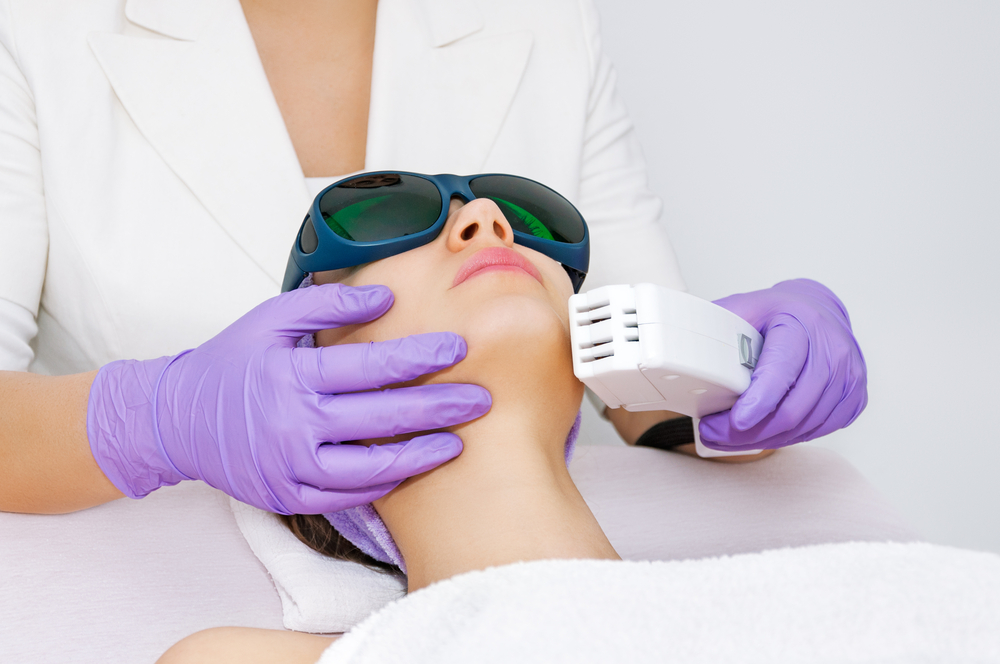
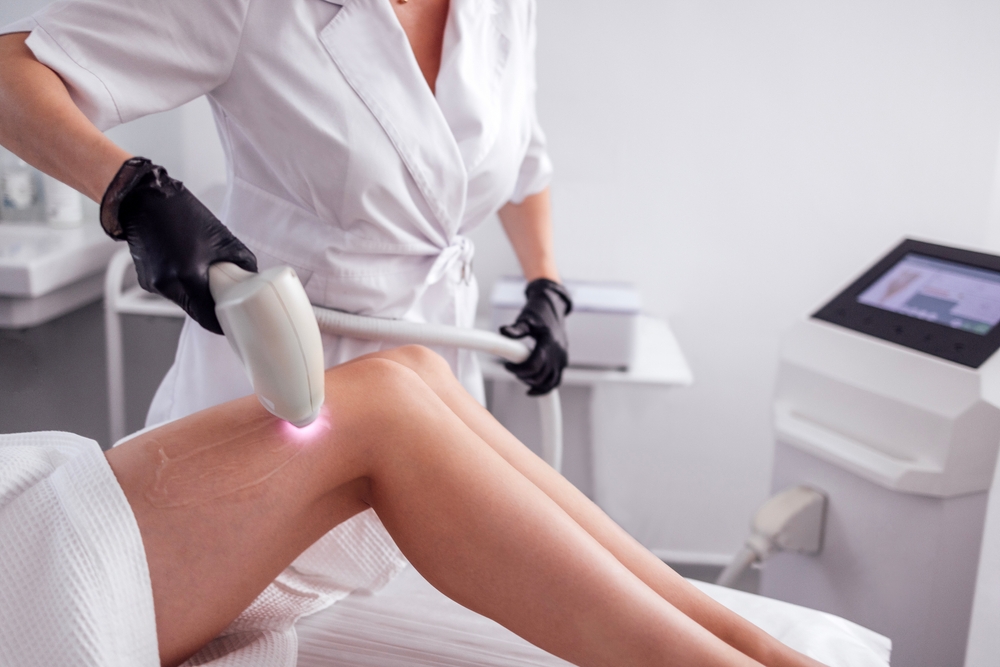
Laser acne treatment uses focused light energy to target bacteria, reduce inflammation, and promote skin healing. Unlike creams and oral medications that work on the surface, laser treatment addresses the root causes of acne while improving overall skin health.
There are different types of lasers for acne:
-
Blue Light Laser: Kills acne-causing bacteria
-
Pulsed Dye Laser: Reduces inflammation and redness
-
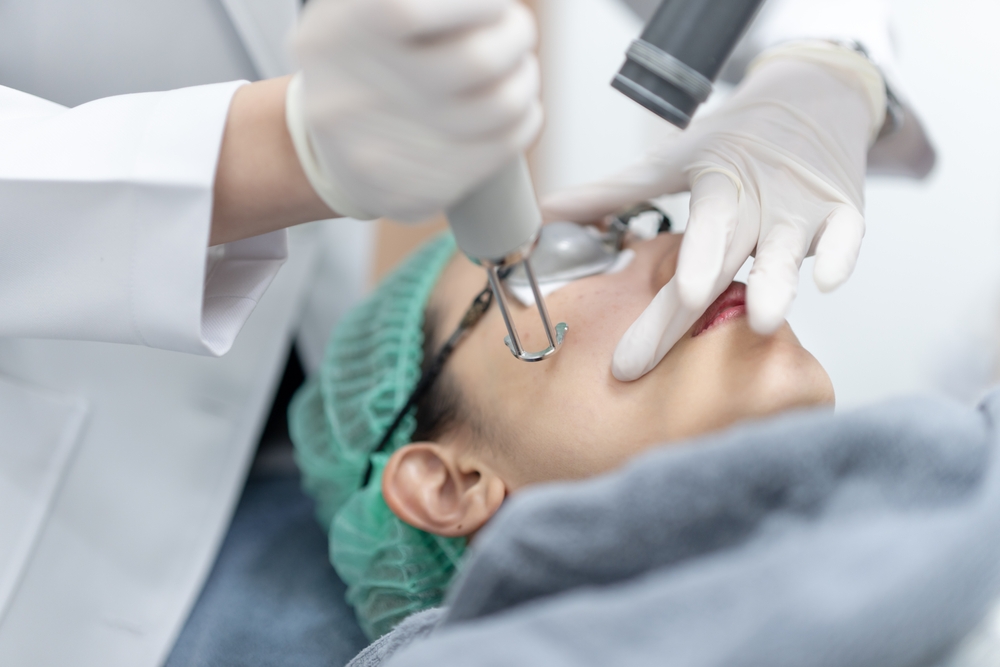
Fractional CO2 Laser: Treats acne scars and promotes collagen growth
How Laser Acne Treatment Works
The effectiveness of laser acne treatment lies in its precise mechanism:
-
Bacteria Elimination: Laser light kills Propionibacterium acnes, the bacteria responsible for acne.
-
Sebum Regulation: Laser energy helps reduce excessive oil production that contributes to breakouts.
-
Collagen Stimulation: Fractional lasers promote healing of acne scars and improve skin texture.
Treatment is usually performed over multiple sessions to achieve optimal results.
Benefits of Laser Acne Treatment
1. Reduces Active Acne
Laser treatment effectively targets active acne lesions, reducing inflammation, redness, and breakouts.
2. Minimizes Acne Scars
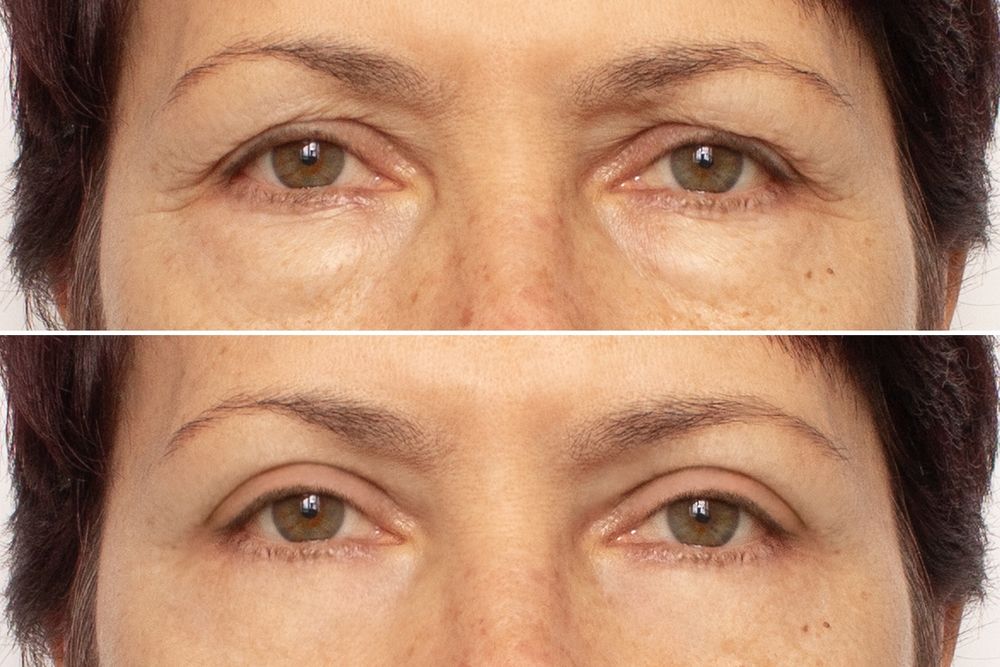
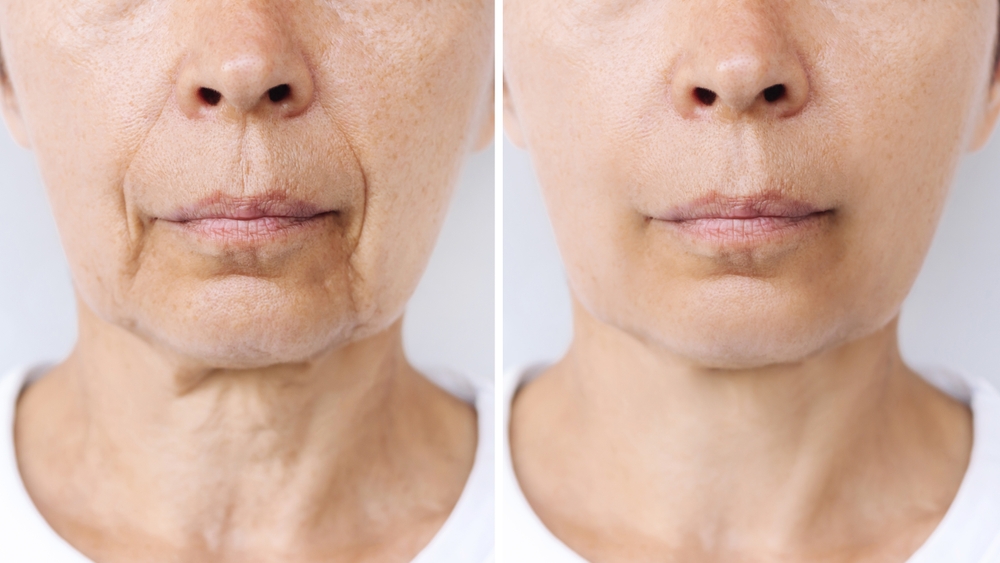
Laser acne treatment promotes collagen growth, helping to smooth out scars and improve skin texture over time.
3. Fast and Non-Invasive
Unlike chemical peels or surgical options, laser treatment is minimally invasive with little to no downtime.
4. Safe for Most Skin Types
Modern lasers are calibrated to treat various skin tones and types safely, reducing the risk of hyperpigmentation or irritation.
5. Long-Term Improvement
With proper care, results from acne treatment are long-lasting, reducing the need for continuous topical medications.
Precautions Before and After Treatment
To ensure safety and effectiveness:
-
Avoid sun exposure 2–3 weeks before sessions
-
Do not use harsh exfoliants or chemical peels prior to treatment
-
Inform your dermatologist about medications, especially photosensitive ones
-
Follow aftercare instructions, including gentle cleansing and sunscreen use
Proper preparation and aftercare ensure maximum benefits from acne treatment.
Why Choose Laser Over Traditional Acne Treatments?
| Feature | Topical Creams | Oral Medications | Laser Acne Treatment |
|---|---|---|---|
| Effectiveness | Mild | Moderate | High |
| Downtime | None | None | Minimal |
| Scar Reduction | No | No | Yes |
| Inflammation Control | Moderate | Moderate | High |
The table demonstrates why laser acne treatment is a superior solution for persistent or scarred acne.
Book Your Consultation
Wondering if acne treatment is right for you? Our specialists provide customized plans based on your skin type and acne severity.
Book your consultation today to achieve clear, smooth, and healthy skin safely.
External Resource
For more guidance on acne management, visit Apollo Hospitals Dermatology.
Conclusion
Acne treatment is a safe, effective, and advanced solution for treating active acne and acne scars. By targeting bacteria, reducing inflammation, and stimulating collagen, it delivers visible improvements in skin texture, tone, and overall appearance.
Choosing certified dermatologists and following pre- and post-care instructions ensures maximum benefits. With acne treatment, you can achieve clearer, smoother, and healthier skin with confidence.