
Is Lip Pigmentation Permanent?
If you’ve noticed your lips becoming darker or uneven, you might be wondering — is lip pigmentation permanent?
The good news is that in most cases, lip pigmentation is not permanent and can be reversed with proper care, healthy habits, and professional treatment.
Lip pigmentation usually occurs when melanin, the pigment responsible for skin color, increases due to factors such as sun exposure, dehydration, or smoking. Let’s understand why it happens, how to fade it safely, and when to seek expert help from Aesthetic Skins.
1. What Is Lip Pigmentation?
Lip pigmentation refers to darkening or discoloration of the lips caused by excess melanin.
It can appear as:
-
Brown, purple, or black patches
-
Uneven lip tone
-
Dullness or loss of natural pink color
While mild pigmentation can fade naturally, deep or chronic pigmentation may need targeted treatment.
2. Common Causes of Lip Pigmentation
To determine whether your pigmentation can fade, it’s important to know what’s causing it.
a. Sun Exposure
UV rays trigger melanin production, leading to dark or tanned lips.
b. Smoking
Nicotine and heat restrict oxygen flow and stain the delicate lip tissue.
c. Dehydration
Dry, flaky lips look darker and lose natural color.
d. Vitamin Deficiencies
Lack of vitamin B12, iron, and vitamin C can make lips dull and pigmented.
e. Hormonal Changes
Conditions like melasma can affect the area around the lips.
f. Allergic Reactions or Lipsticks
Harsh or low-quality lip products can cause irritation and pigmentation.
Once you identify and remove the cause, the natural color can gradually return.

3. Is Lip Pigmentation Permanent?
In most cases, lip pigmentation is temporary.
It can fade within 2 to 8 weeks with consistent care.
However, long-term or genetic pigmentation might take a few months or require dermatological treatment.
Permanent pigmentation is rare and usually linked to:
-
Chronic smoking
-
Hormonal disorders
-
Genetic skin tone
Even then, advanced cosmetic procedures can lighten and even out lip color effectively.
4. How to Fade Lip Pigmentation Naturally
Here are easy home remedies to help restore your lips’ natural shade:
a. Exfoliate Gently
Mix sugar and honey to remove dead cells twice a week.
b. Lemon and Honey Lightening
Lemon naturally bleaches; honey hydrates. Apply for 10 minutes daily.
c. Aloe Vera Gel
Contains aloesin, which controls melanin production.
d. Beetroot Juice
Gives a natural pink tint and boosts lip brightness.
e. Stay Hydrated
Drink enough water to maintain lip moisture.
Natural remedies work best for mild pigmentation, but results require consistency.
5. Professional Treatments for Lasting Results
If your pigmentation is deep or persistent, visit Aesthetic Skins for advanced dermatological solutions.
a. Laser Lip Lightening
Targets melanin safely and reveals a lighter lip tone.
Results: Noticeable improvement in 2–3 sessions.
b. Chemical Peels
Uses gentle fruit acids to exfoliate pigmented skin and regenerate new cells.
c. Micropigmentation Correction
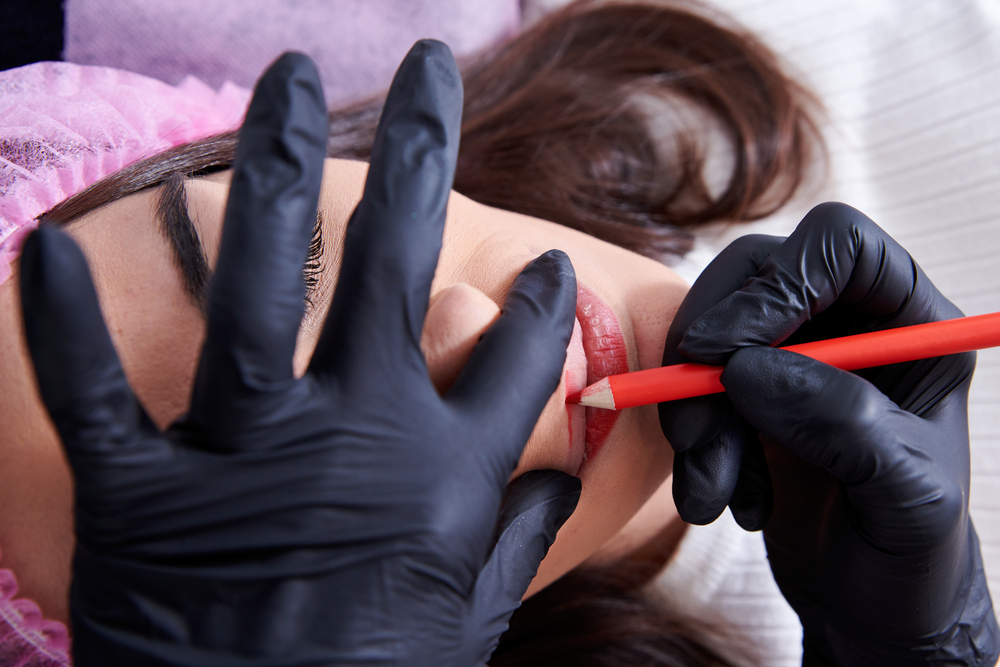
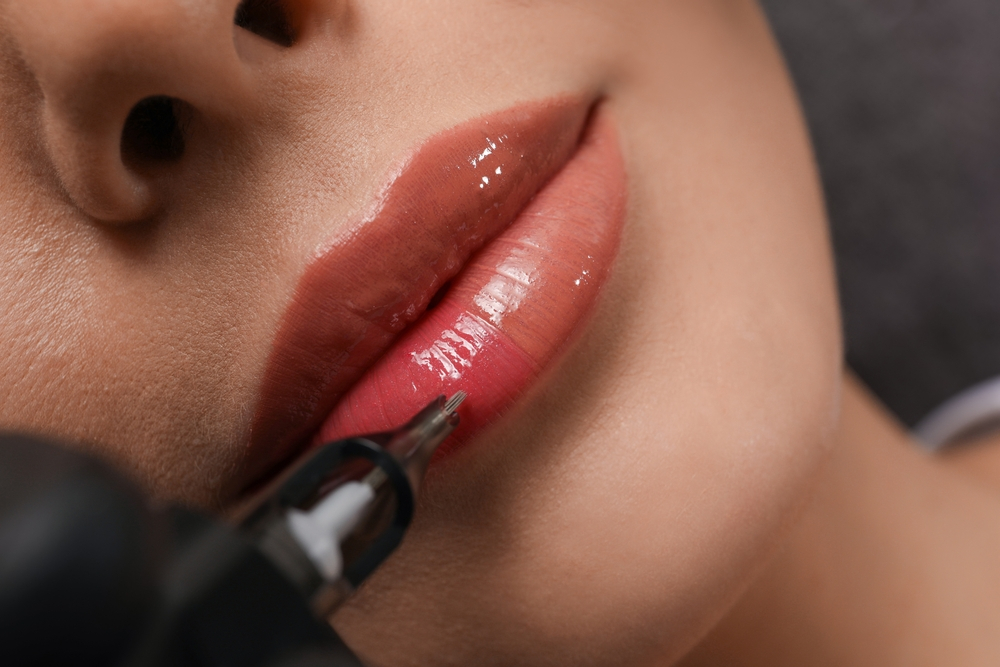
Balances dark tones with safe cosmetic pigments for even-looking lips.
d. Vitamin Therapy
Addresses internal deficiencies that may be causing pigmentation.
Schedule a personalized consultation at Aesthetic Skins to discover which lip-brightening treatment suits you best.
6. Preventing Future Lip Pigmentation
After treatment, protect your results by following these tips:
-
Apply SPF lip balm daily.
-
Avoid smoking and excessive caffeine.
-
Use mild, natural lipsticks free from harsh chemicals.
-
Remove makeup before bed and moisturize overnight.
-
Include vitamins B12, C, and E in your diet.
7. Key Takeaway
So, is lip pigmentation permanent?
For most people, no — it’s reversible with consistent care and professional help.
By adopting a healthy lip-care routine and consulting dermatology experts at Aesthetic Skins, you can restore your soft, pink, and naturally glowing lips safely and effectively.