
Introduction
Dermal fillers have become one of the most sought-after cosmetic treatments for reducing wrinkles, restoring facial volume, and enhancing features like lips and cheeks. While many people understand what fillers do, fewer know how fillers are made. Understanding the production process can help patients feel more confident about their safety and effectiveness.
What Are Dermal Fillers?
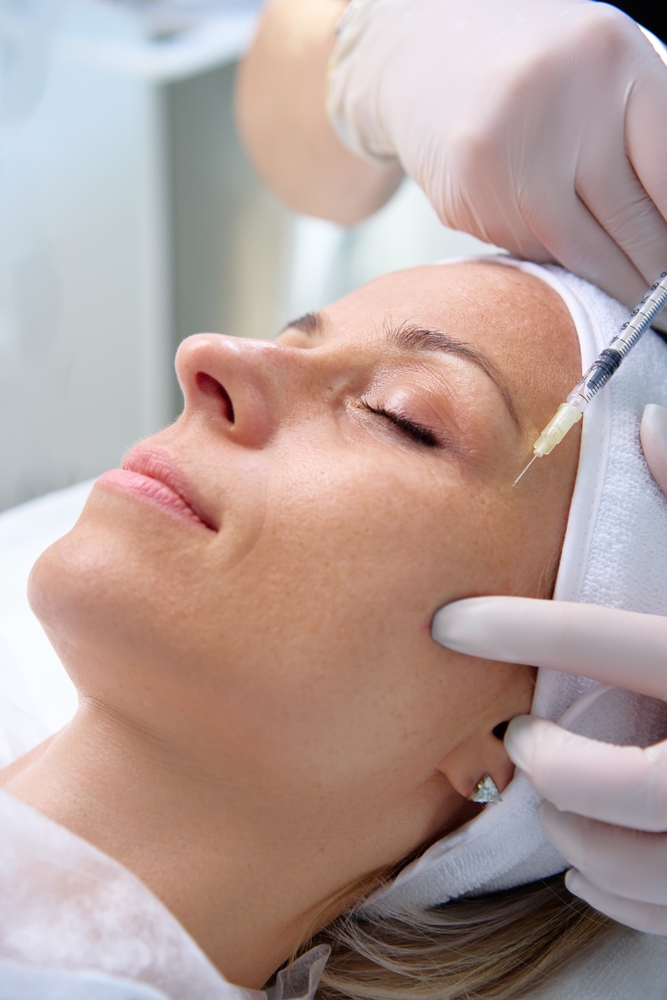
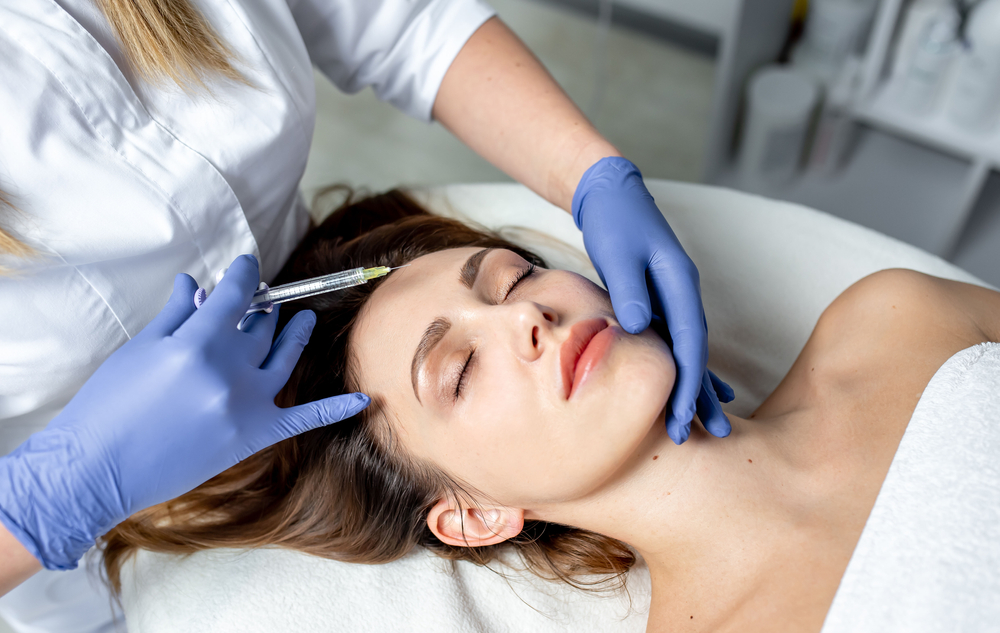
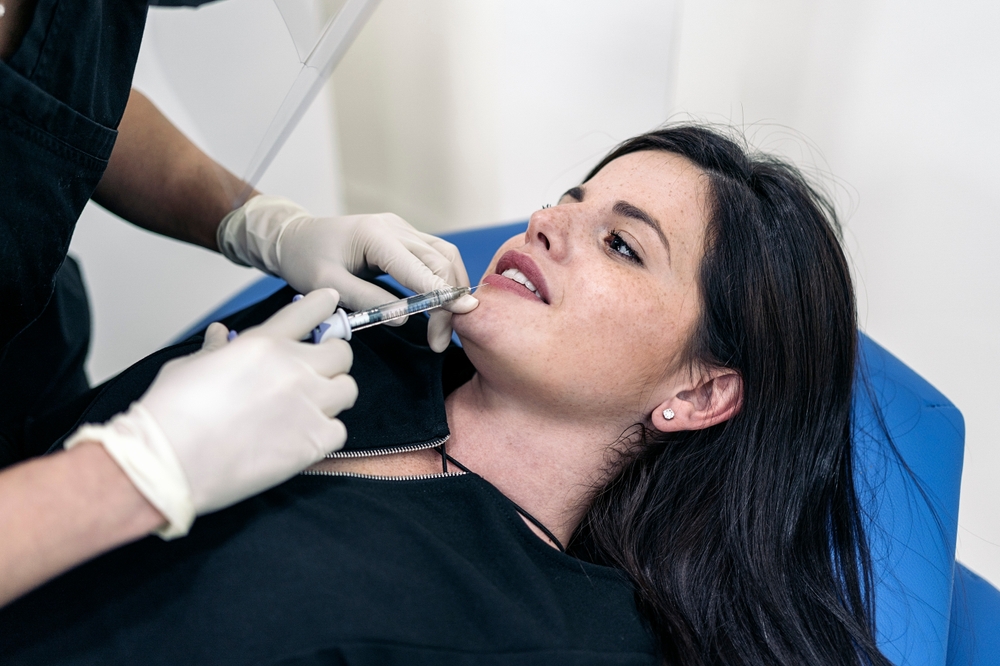
Before learning how fillers are made, it’s important to understand what they are. Fillers are gel-like substances that are carefully injected beneath the skin to smooth wrinkles and restore volume. The most commonly used fillers are based on hyaluronic acid (HA), a natural substance found in the skin that keeps it hydrated and elastic.
If you’re interested in safe, professional treatments, you can contact our experts for guidance on the best filler options.
How Fillers Are Made: Step by Step
1. Source of Hyaluronic Acid
Most dermal fillers today use synthetic hyaluronic acid produced in laboratories through biofermentation. This process uses safe bacterial cultures, often Streptococcus species, to naturally create hyaluronic acid that is nearly identical to what our bodies produce.
2. Purification Process
Once produced, the hyaluronic acid undergoes multiple stages of purification. This removes bacteria, proteins, and impurities, ensuring the filler is safe and biocompatible.
3. Cross-Linking for Stability
Pure hyaluronic acid breaks down quickly in the body, so fillers must be stabilized. This is done using a process called cross-linking, where molecules are chemically bonded together. Cross-linking increases the durability of fillers, allowing results to last from 6 months to 2 years, depending on the product.
4. Gel Formation
The stabilized hyaluronic acid is then transformed into a smooth gel. The gel consistency is carefully controlled to suit different treatments:
-
Fine gel for delicate areas like under the eyes
-
Thicker gel for adding volume in cheeks or jawline
-
Balanced gel for general wrinkle reduction
5. Sterilization and Packaging
Before distribution, the filler gel is sterilized and tested for quality. It is then packaged in pre-filled syringes, ensuring accurate dosage and safety for medical use.
Types of Fillers Based on How They Are Made
-
Hyaluronic Acid Fillers – The most popular type, made from synthetic HA
-
Calcium Hydroxylapatite Fillers – Contain mineral-like compounds naturally found in bones
-
Poly-L-lactic Acid Fillers – Made from biodegradable synthetic material that stimulates collagen
-
Polymethylmethacrylate (PMMA) Fillers – Contain tiny microspheres for long-lasting results
Each type is manufactured with strict medical standards to ensure safety and effectiveness.
Why Knowing How Fillers Are Made Matters
Patients often feel more confident when they understand the science behind fillers. Since they are manufactured under strict clinical and safety guidelines, fillers are both effective and safe when administered by trained professionals.
For further scientific details, the Indian Journal of Plastic Surgery provides research-backed insights into filler composition and applications.
Safety Standards in Manufacturing
When exploring how fillers are made, it’s important to know that manufacturers follow:
-
ISO-certified laboratory processes
-
FDA and CE approvals for medical devices
-
Sterile environments to prevent contamination
-
Clinical testing for safety and effectiveness
These steps ensure that fillers are not only effective but also safe for long-term use.
Conclusion
Understanding how fillers are made provides a deeper appreciation for the science and safety behind this popular cosmetic treatment. From biofermentation of hyaluronic acid to cross-linking and sterilization, every step ensures fillers deliver natural and long-lasting results.
If you’re considering dermal fillers and want expert guidance, reach out through our contact page.