

Does PRP Really Work for Knees?
Knee pain can affect anyone — from athletes to office workers — and traditional treatments don’t always bring lasting relief. That’s where PRP treatment for knees comes in. Platelet-Rich Plasma (PRP) therapy is a revolutionary, non-surgical approach that uses your body’s own healing properties to repair joint damage and reduce inflammation.
But the question remains — does PRP really work for knees? Let’s explore how PRP works, what research says, and whether it’s the right treatment for your knee pain.
What Is PRP Treatment for Knees?
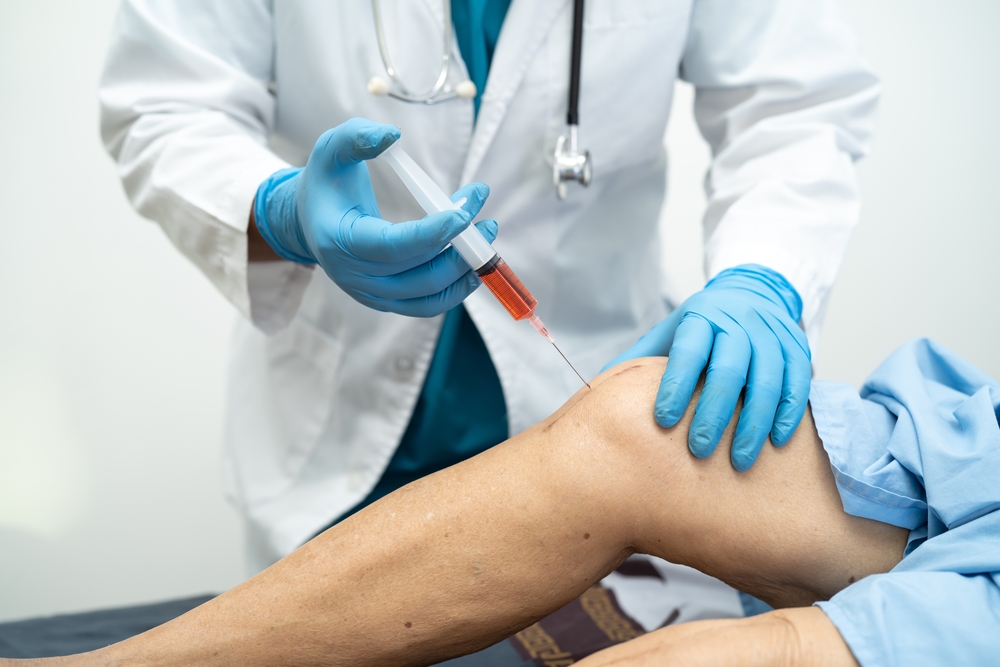
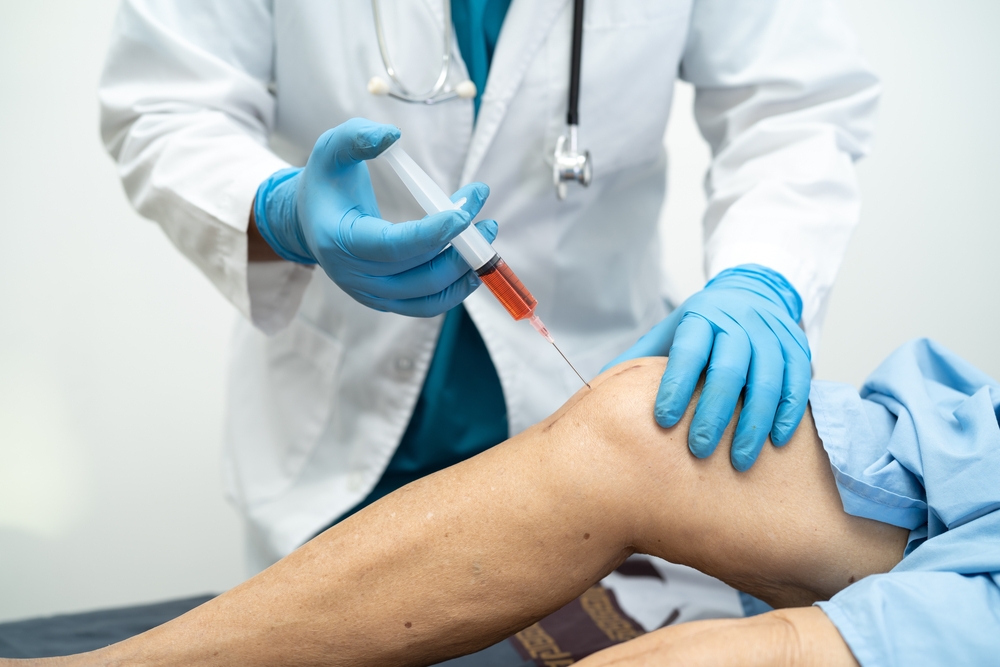
PRP treatment for knees involves drawing a small amount of your blood, processing it in a centrifuge to concentrate the platelets, and injecting the plasma directly into your knee joint. These platelets release growth factors that stimulate tissue regeneration, repair cartilage, and reduce inflammation.
Unlike painkillers or steroid injections, PRP works at the root cause of pain — healing damaged tissues naturally.
How Does PRP Help Knee Pain?
The healing power of PRP lies in its ability to enhance the body’s natural repair process. When injected into an injured or arthritic knee, PRP:
-
Reduces inflammation in the joint
-
Promotes new cell growth and collagen production
-
Repairs microdamage in cartilage and tendons
-
Improves joint mobility and flexibility
As a result, patients often experience less stiffness, reduced pain, and improved function within a few weeks.
Does PRP Really Work for Knees? What Studies Show
Research suggests that PRP treatment for knees can be highly effective, especially for mild to moderate arthritis or early joint degeneration.
Clinical Evidence
-
A study published in the American Journal of Sports Medicine found that patients receiving PRP injections had significant pain reduction and improved function compared to those who received hyaluronic acid (HA) injections.
-
Another study from The Journal of Orthopaedic Surgery reported that PRP improved cartilage quality and delayed knee replacement surgery for many patients.
These findings indicate that PRP isn’t just a pain relief method — it actually helps heal and rejuvenate the joint.
Who Can Benefit from PRP Treatment for Knees?
You may be a good candidate for PRP if you suffer from:
-
Knee osteoarthritis
-
Meniscus tears or ligament injuries
-
Tendonitis or cartilage damage
-
Chronic joint pain
Whether caused by aging, sports injuries, or repetitive strain, PRP treatment for knees can help restore movement and reduce dependency on medications.
Benefits of PRP Treatment for Knees
1. Natural and Non-Surgical
PRP uses your own blood — no chemicals or artificial substances — making it safe, biocompatible, and minimally invasive.
2. Long-Term Pain Relief
While painkillers only mask symptoms, PRP promotes natural tissue repair, offering long-lasting results.
3. Faster Recovery
Most patients resume daily activities within a few days, with minimal downtime or side effects.
4. Cost-Effective Alternative
Compared to joint surgery or long-term physiotherapy, PRP treatment for knees offers a budget-friendly solution with noticeable outcomes.
Cost of PRP Treatment for Knees in India
The PRP cost for knees in India ranges between ₹10,000 and ₹25,000 per session, depending on the clinic and severity of the condition. Typically, 2–3 sessions are recommended for optimal results.
For example, Apollo Hospitals in India offers orthopedic PRP therapy as part of its regenerative medicine program. You can read more about it on Apollo Hospitals India.
Is PRP Safe and Are There Any Side Effects?
Yes, PRP is generally safe because it uses your body’s own plasma. Side effects are mild and temporary — such as swelling, soreness, or bruising at the injection site — and usually resolve within 48 hours.
However, it’s crucial to get PRP done by trained professionals. Clinics like Aesthetic Skins ensure proper sterilization, advanced centrifuge technology, and precision injection techniques for best results.
How Long Does It Take to See Results?
Patients usually begin to notice improvement within 2–6 weeks after their first session. The results of PRP treatment for knees can continue to improve over the following months as the body regenerates new tissues.
For lasting benefits, most specialists recommend periodic follow-ups to maintain joint health and prevent recurrence.
Does PRP Work for Everyone?
While PRP is highly effective for most mild-to-moderate joint conditions, results can vary based on factors like:
-
Age and overall health
-
Severity of arthritis or damage
-
Lifestyle and activity levels
People with advanced joint degeneration might need combination treatments or surgery. However, for early-stage conditions, PRP treatment for knees can delay or even avoid surgery altogether.
Conclusion
So, does PRP really work for knees?
Yes — when performed by experts, PRP is a safe, natural, and effective solution for knee pain, arthritis, and cartilage repair. It helps regenerate tissues, reduce inflammation, and restore mobility without surgery.
If you’re tired of knee pain affecting your daily life, book a consultation with Aesthetic Skins. Their specialized PRP therapy ensures precise results, personalized care, and long-term relief.