


Can You Have PRP If on Blood Thinners?
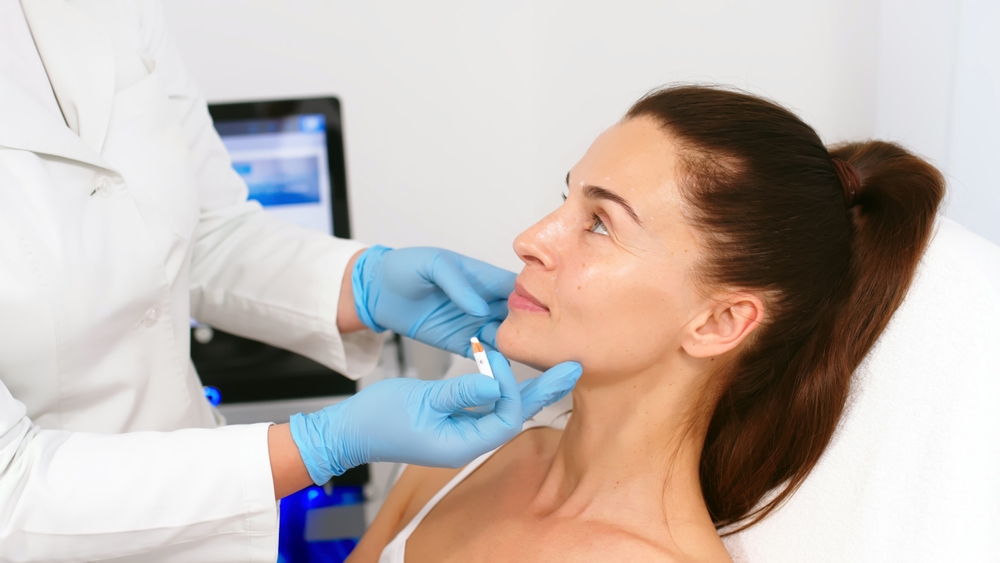
Platelet-Rich Plasma (PRP) therapy is widely used for skin rejuvenation, hair restoration, and joint healing. It’s a natural, minimally invasive treatment that harnesses your body’s own platelets to promote tissue repair.
However, many patients ask, “Can I have PRP if I’m on blood thinners?” This is an important consideration because blood-thinning medications can affect your platelet function and your body’s ability to heal properly.
What Is PRP Therapy?
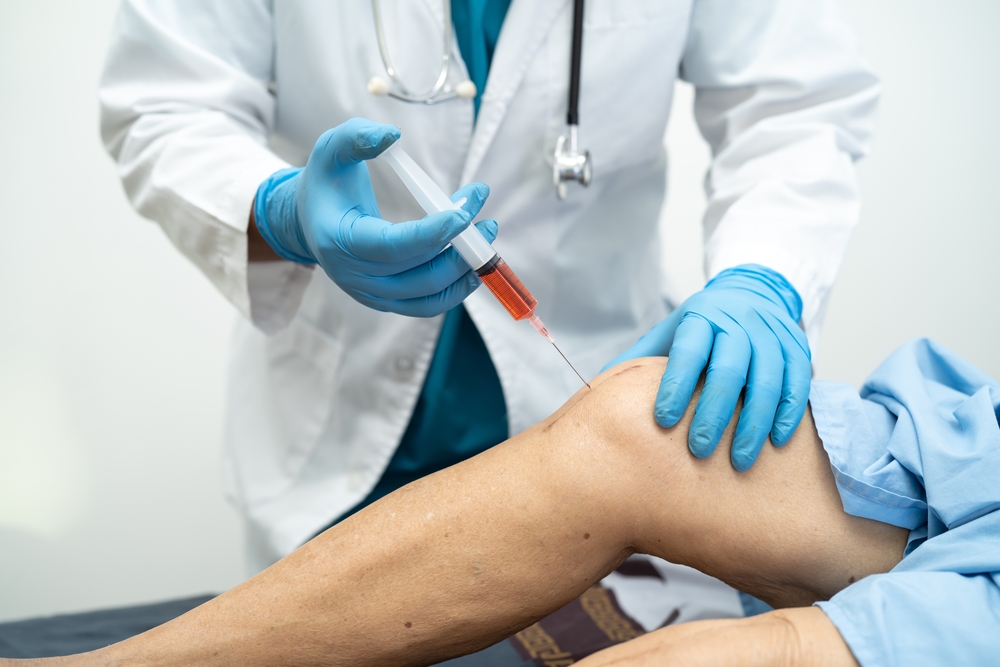
PRP therapy involves drawing a small amount of your blood, processing it to concentrate platelets, and injecting the plasma into targeted areas like the skin, scalp, or joints. These platelets release growth factors that stimulate collagen production, tissue regeneration, and healing.
PRP is used for:
-
Hair restoration
-
Skin rejuvenation and fine line reduction
-
Joint repair for knee injuries or arthritis
-
Acne scar and pigmentation treatments
While PRP is safe for most people, medications that affect blood clotting may interfere with the treatment.
Why Blood Thinners Can Affect PRP
Blood thinners, also known as anticoagulants, prevent your blood from clotting easily. Common medications include:
-
Warfarin (Coumadin)
-
Aspirin
-
Clopidogrel (Plavix)
-
Heparin
PRP relies on healthy, functional platelets to release growth factors and initiate healing. Blood thinners reduce platelet function, which can:
-
Decrease PRP effectiveness
-
Increase the risk of bleeding or bruising at the injection site
-
Slow down healing after treatment
Because of these risks, PRP is not always recommended for patients on blood thinners.
Can You Still Get PRP on Blood Thinners?
In some cases, PRP may still be possible under strict medical supervision. Doctors will usually:
-
Review your medical history and medications
-
Assess the risk of bleeding or complications
-
Decide whether to pause blood thinners temporarily (only under doctor supervision)
-
Adjust PRP protocol to minimize risk
It’s crucial not to stop blood thinners on your own, as this can cause serious complications. Always consult your cardiologist or prescribing doctor before PRP therapy.
Alternatives to PRP for Patients on Blood Thinners
If PRP is unsafe due to anticoagulant therapy, there are effective alternatives:
1. Laser Skin Treatments
-
Stimulate collagen and improve skin texture
-
Reduce pigmentation, fine lines, and dullness
-
Non-invasive with minimal downtime
2. Microneedling With Growth Factors
-
Uses tiny needles to promote healing without relying on blood platelets
-
Can improve acne scars and skin rejuvenation
3. Topical Treatments and Serums
-
Vitamin C, hyaluronic acid, and peptides can help restore skin health naturally
4. Physiotherapy or PRF
-
PRF (Platelet-Rich Fibrin) releases growth factors more slowly and may sometimes be safer in select cases
For expert guidance, schedule a consultation at Aesthetic Skins, where specialists assess your suitability for PRP or recommend safe alternatives.
Precautions Before PRP on Blood Thinners
-
Always inform your doctor about all medications and supplements
-
Do not self-adjust or stop anticoagulants
-
Ensure the PRP procedure is done in a certified clinic with proper hygiene and safety standards
-
Follow post-treatment care instructions to minimize bleeding or bruising
For more professional insights on blood-thinner safety and regenerative therapies, check resources like Apollo Hospitals India.
Key Takeaways
-
PRP therapy uses your own platelets for natural healing.
-
Blood thinners can reduce platelet function, making PRP less effective or risky.
-
Never stop or adjust blood-thinning medication on your own.
-
Consultation with both your prescribing doctor and a PRP specialist is essential.
-
Alternatives like laser treatments, microneedling, or PRF may be safer options.
By taking these precautions, you can safely explore aesthetic and regenerative treatments while managing your health.
Conclusion
So, can you have PRP if on blood thinners?
The answer is: it depends. PRP may be possible with careful medical supervision, but in many cases, safer alternatives are recommended to avoid complications. At Aesthetic Skins, experts evaluate your medical history and offer personalized treatment plans to ensure safety and optimal results.
Book your consultation today at Aesthetic Skins to discuss PRP suitability and alternatives tailored to your needs.

нажмите здесь водка бет казино
веб-сайте водка бет казино
посетить веб-сайт https://airti.ru/izgotovlenie-upplotneni
imp source agam avia
узнать kra44.at
подробнее kra41
посетить сайт kra40.at
страница kra at
Узнать больше kraken вход
такой kraken официальный сайт
страница kraken market
What an engaging read! You kept me hooked from start to finish.
majapahit4d
Смотреть здесь https://kra42at.at/
сайт https://kra42at.at/
maritim4d
visit their website https://meteora.codes/
view https://meteora.center
look at here now https://meteora.express/
I’ve read similar posts, but yours stood out for its clarity.
the original source https://mowsharper.com/
her latest blog https://molirafire.com/
this page https://meteora.expert/
find out here https://meteora.green/
their website https://frankieandsailor
their website https://margysbeauty.com/