
Introduction
Dermal fillers are among the most popular cosmetic treatments for restoring youthful volume, smoothing fine lines, and enhancing facial features. But if you’re new to injectables, you might be wondering: how are fillers injected? Understanding the process helps reduce anxiety, sets realistic expectations, and shows why fillers are considered a safe and effective treatment worldwide.
What Are Dermal Fillers?
Before learning how fillers are injected, it’s important to know what they are. Most fillers are gel-like substances made of hyaluronic acid (HA)—a naturally occurring compound in the body that maintains hydration and elasticity. Once injected, HA fillers restore volume and smoothness while blending naturally with skin tissue.
If you’re considering this treatment, you can connect with our experts for personalized guidance.
How Fillers Are Injected: Step by Step
1. Initial Consultation
The process starts with a consultation. A dermatologist examines your face, discusses goals, and explains the areas where fillers can help—such as lips, cheeks, under eyes, or jawline.
2. Preparing the Skin
On the day of treatment, the skin is cleaned thoroughly to prevent infection. A numbing cream or local anesthetic may be applied to ensure comfort.
3. Marking Injection Sites
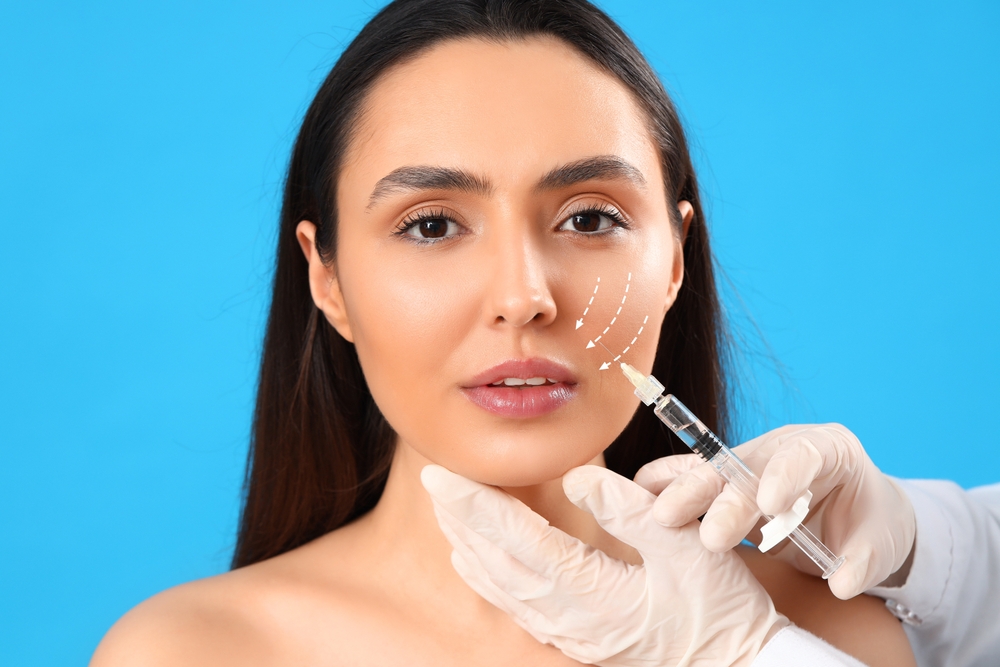
The doctor marks specific points on the face to guide where fillers will be injected. This mapping ensures precision and symmetry.
4. Injection Technique
Fillers are injected using either:
-
Fine needles for precise placement
-
Cannulas (blunt-tip tools) for broader areas and reduced bruising
The dermatologist places the filler at the right depth, depending on the treatment goal—shallow for fine lines or deeper for volume restoration.

5. Shaping and Massaging
After injection, the area may be gently massaged to evenly distribute the filler and create smooth, natural contours.
6. Immediate Results
One of the biggest advantages of fillers is that results are visible right away. Patients notice smoother skin, fuller lips, or enhanced facial balance immediately after the procedure.
How Long the Procedure Takes
When learning how fillers are injected, many are surprised at how quick it is. A typical session lasts 20–40 minutes, depending on the number of areas treated. Since it’s a non-surgical procedure, you can resume most daily activities almost immediately.
Aftercare Once Fillers Are Injected
Proper aftercare is essential for maintaining results and avoiding complications:
-
Avoid rubbing or touching treated areas for 24 hours
-
Skip strenuous exercise, alcohol, and heat exposure for a day
-
Use cold compresses if swelling occurs
-
Always follow your dermatologist’s specific instructions
For more details on treatment safety, the Indian Journal of Dermatology provides professional insights on filler procedures.
Safety and Expertise Matter
Knowing how fillers are injected also highlights why choosing the right practitioner is so important. A skilled dermatologist ensures correct placement, prevents complications, and delivers natural-looking results. Poorly performed injections, on the other hand, can cause asymmetry, lumps, or migration.
Conclusion
Understanding how fillers are injected helps you feel more confident about the procedure. With precise techniques, minimal discomfort, and instant results, fillers are one of the safest and most effective ways to refresh your appearance without surgery.
If you’re ready to explore dermal fillers, schedule your consultation today through our contact page.