
Why PRP Is Banned for Cosmetic Use in Singapore
Platelet-Rich Plasma (PRP) therapy is widely recognized worldwide for hair restoration, skin rejuvenation, and joint repair. While it is popular in many countries for cosmetic purposes, in Singapore, PRP is banned for aesthetic treatments.
Understanding the regulatory reasons behind this ban is important for anyone considering PRP therapy. At Aesthetic Skins, we provide safe, expert PRP treatments where it is legally approved.
What Is PRP Therapy?
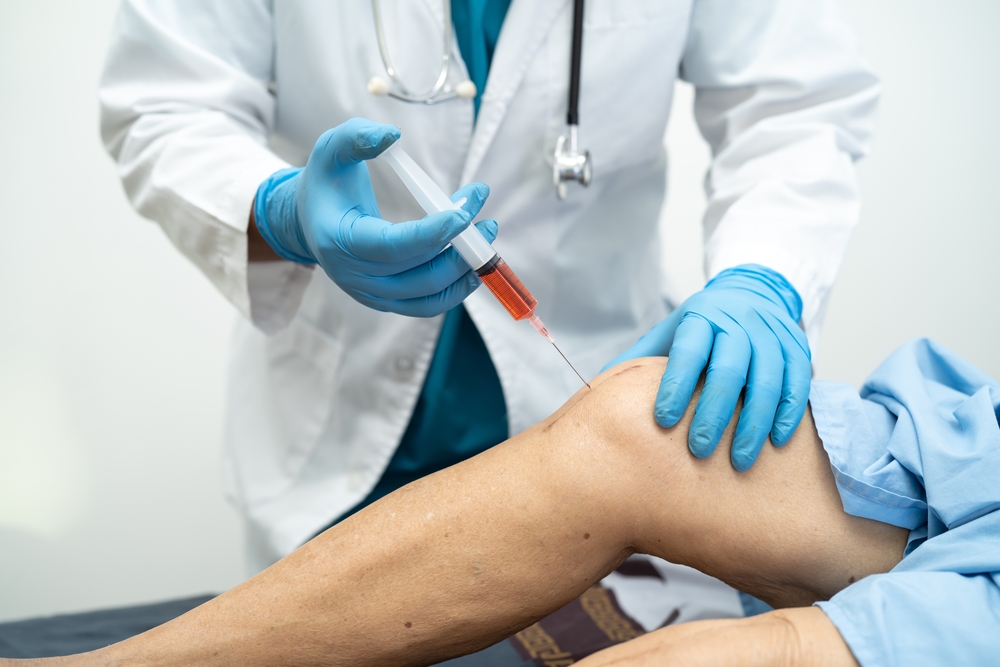
PRP therapy involves drawing a small sample of blood, processing it to concentrate platelets, and injecting the plasma into a target area.
PRP contains growth factors and proteins that help:
-
Stimulate hair follicles for regrowth
-
Promote collagen production in the skin
-
Aid tissue repair for joints and muscles
Globally, PRP is used for both medical and cosmetic purposes. However, regulations vary by country.
Why PRP Is Banned for Cosmetic Use in Singapore
The Ministry of Health (MOH) and Health Sciences Authority (HSA) in Singapore strictly regulate PRP treatments. While PRP is allowed for medical applications (like tendon or ligament repair), its use for cosmetic purposes such as hair regrowth or skin rejuvenation is prohibited.
1. Safety Concerns
Cosmetic PRP procedures may carry risks if not administered correctly, including infection or adverse reactions. The ban ensures public safety by restricting unverified cosmetic use.
2. Lack of Standardized Protocols
PRP preparation and application vary across clinics. Without standardization, cosmetic outcomes are inconsistent, raising concerns for regulators.
3. Insufficient Scientific Evidence
While PRP shows promise for aesthetics, Singaporean authorities require robust clinical evidence to approve cosmetic applications. Current data is limited, so PRP remains experimental for cosmetic use.
For medical PRP procedures in Singapore, licensed providers follow strict guidelines to ensure patient safety (hcortho.sg).
Implications of Using PRP Cosmetically in Singapore
Using PRP for banned cosmetic purposes can:
-
Violate Singapore medical regulations
-
Increase risk of complications due to unregulated procedures
-
Result in legal consequences for practitioners or clinics
It’s essential to consult licensed professionals and ensure PRP treatments comply with local regulations.
Safe Alternatives for Cosmetic PRP Treatments
Even though PRP is restricted in Singapore for aesthetics, patients can explore alternatives:
-
Clinically approved hair regrowth treatments like minoxidil or FDA-approved laser therapies
-
Dermal fillers and laser treatments for skin rejuvenation and tightening
-
Professional PRP treatment in countries where cosmetic use is allowed
At Aesthetic Skins, we provide PRP treatments for hair and skin in countries where it is permitted, ensuring safe and effective results.
Book a consultation with Aesthetic Skins to discuss your hair or skin rejuvenation options safely.
Benefits of PRP Where Approved
In countries like India, PRP is widely used for cosmetic purposes. Benefits include:
-
Natural hair regrowth
-
Improved skin tone, texture, and elasticity
-
Non-surgical, minimally invasive procedure
-
Safe and biocompatible
-
Boosts confidence and appearance
For verified PRP information in India, refer to Apollo Hospitals PRP Guide, a trusted healthcare resource.
Conclusion
In summary, PRP is banned for cosmetic use in Singapore due to safety concerns, lack of standardized procedures, and insufficient clinical evidence for aesthetic outcomes. However, it remains highly effective and approved for medical applications under strict supervision.
At Aesthetic Skins, we provide safe, professional, and results-driven PRP treatments in countries where it is legally permitted. Patients can achieve natural rejuvenation, hair restoration, and long-lasting benefits with expert care and compliance to regulations.
Backbiome is an advanced daily wellness supplement formulated to help support spinal comfort, reduce feelings of built-up tension, and promote freer, smoother movement throughout backbiome everyday life.