
Why Fillers Cause Lumps: Prevention and Treatment Explained
Dermal fillers are one of the most popular cosmetic treatments worldwide, known for restoring lost volume, reducing wrinkles, and enhancing facial features. While generally safe, some patients notice bumps or uneven textures after treatment. If you’ve ever wondered why fillers cause lumps, it’s important to understand the reasons, how to prevent them, and what to do if they occur.
What Are Filler Lumps?
Filler lumps are small, raised areas under the skin that form after dermal filler injections. They can feel firm, soft, or rubbery and may appear immediately after the procedure or weeks later. While they are usually harmless, understanding why fillers cause lumps can help ensure smoother, more natural results.
Why Fillers Cause Lumps: The Main Reasons
Several factors contribute to lumps after filler treatment. Let’s break them down:
1. Poor Injection Technique
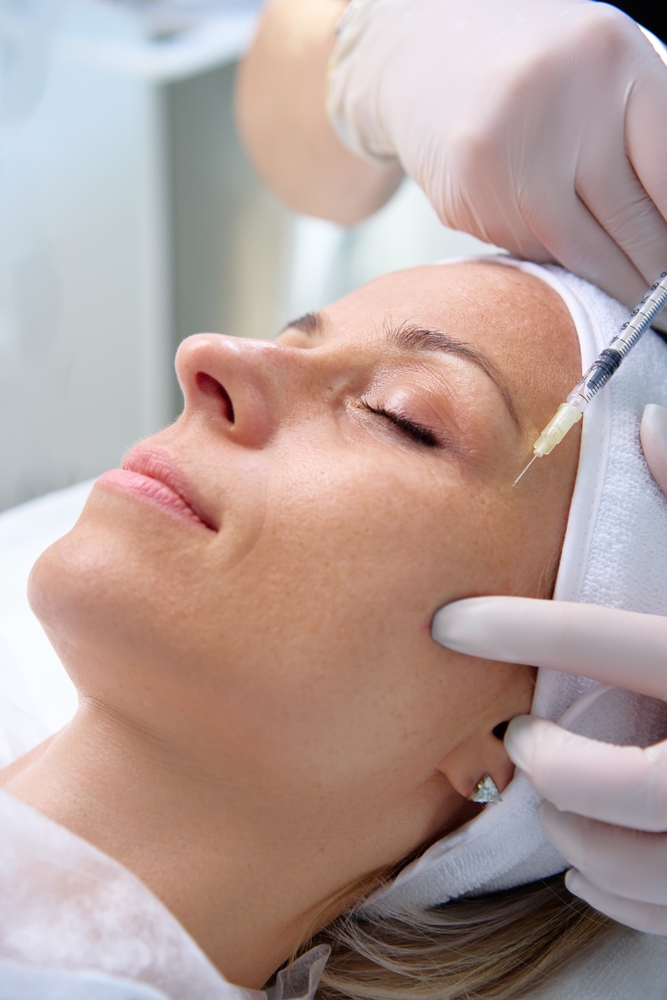
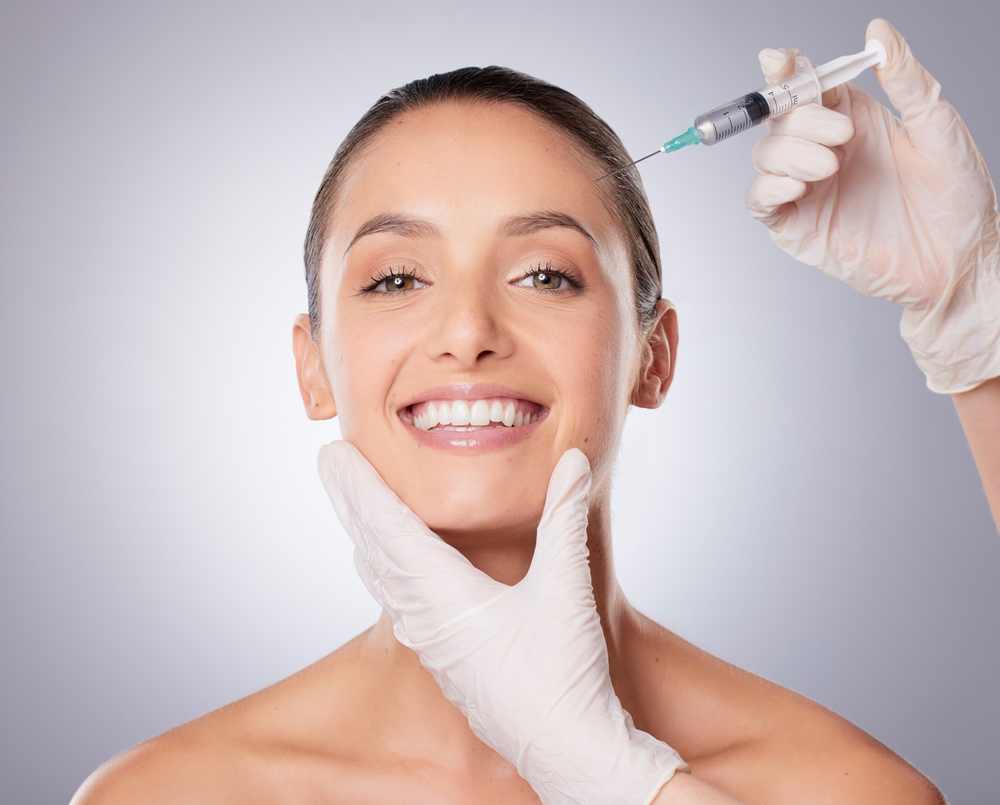
The most common reason why fillers cause lumps is improper injection technique. If fillers are placed too close to the skin’s surface or unevenly distributed, lumps may form.
2. Overfilling the Area
Using too much product in one spot can lead to unnatural bulges. A conservative approach ensures natural-looking results and lowers the risk of lumps.
3. Type of Filler Used
Different fillers have varying consistencies. Thicker fillers may be more prone to lump formation if not injected properly. Knowing which filler suits each facial area is key.
4. Inflammation or Swelling
After injections, the body may respond with mild swelling. Sometimes this temporary swelling feels like lumps but typically subsides within days.
5. Improper Aftercare
Massaging or pressing the treated area too soon after injections may push the filler out of place, leading to unevenness. This is another reason why fillers cause lumps in certain cases.
6. Rare Complications
In some cases, lumps may occur due to delayed immune responses or filler migration. These require professional evaluation.
Are Filler Lumps Dangerous?
Most filler lumps are not harmful and resolve on their own within a few days. However, persistent lumps or those accompanied by redness, pain, or infection should be examined by an expert immediately.
How to Prevent Filler Lumps
Knowing why fillers cause lumps is only half the solution—prevention plays a bigger role.
Choose an Experienced Practitioner
The skill of your injector is the biggest factor in avoiding lumps. At Aesthetic Skins, our specialists use advanced techniques for precise placement. Book your consultation here for safe and natural results.
Use the Right Type of Filler
Each facial area requires specific fillers. The right choice reduces the likelihood of uneven textures.
Avoid Overfilling
Less is often more. A subtle approach ensures smooth results and lowers the risk of lumps forming.
Follow Aftercare Instructions
Patients should avoid touching or massaging the treated area unless instructed by their doctor. Proper aftercare supports smooth filler integration.
Treating Filler Lumps
If lumps appear, here are some common solutions:
- Gentle Massage: In some cases, your practitioner may gently massage the area to smooth out the filler.
- Hyaluronidase Enzyme: For hyaluronic acid-based fillers, this enzyme can safely dissolve the product to correct lumps.
- Medical Evaluation: If lumps are due to infection or an immune reaction, medical treatment may be necessary.
When to Seek Medical Help
You should seek immediate help if filler lumps are accompanied by:
- Severe pain
- Skin discoloration
- Signs of infection (redness, pus, fever)
These symptoms may indicate rare but serious complications.
Conclusion
Understanding why fillers cause lumps empowers patients to make safer choices and achieve better results. With skilled injectors, proper filler selection, and strict aftercare, the chances of lumps forming are greatly reduced.
For safe, professional, and natural filler treatments, trust Aesthetic Skins. Contact us here to book your appointment today.
External Reference : Learn more about cosmetic safety from the Indian Association of Dermatologists.